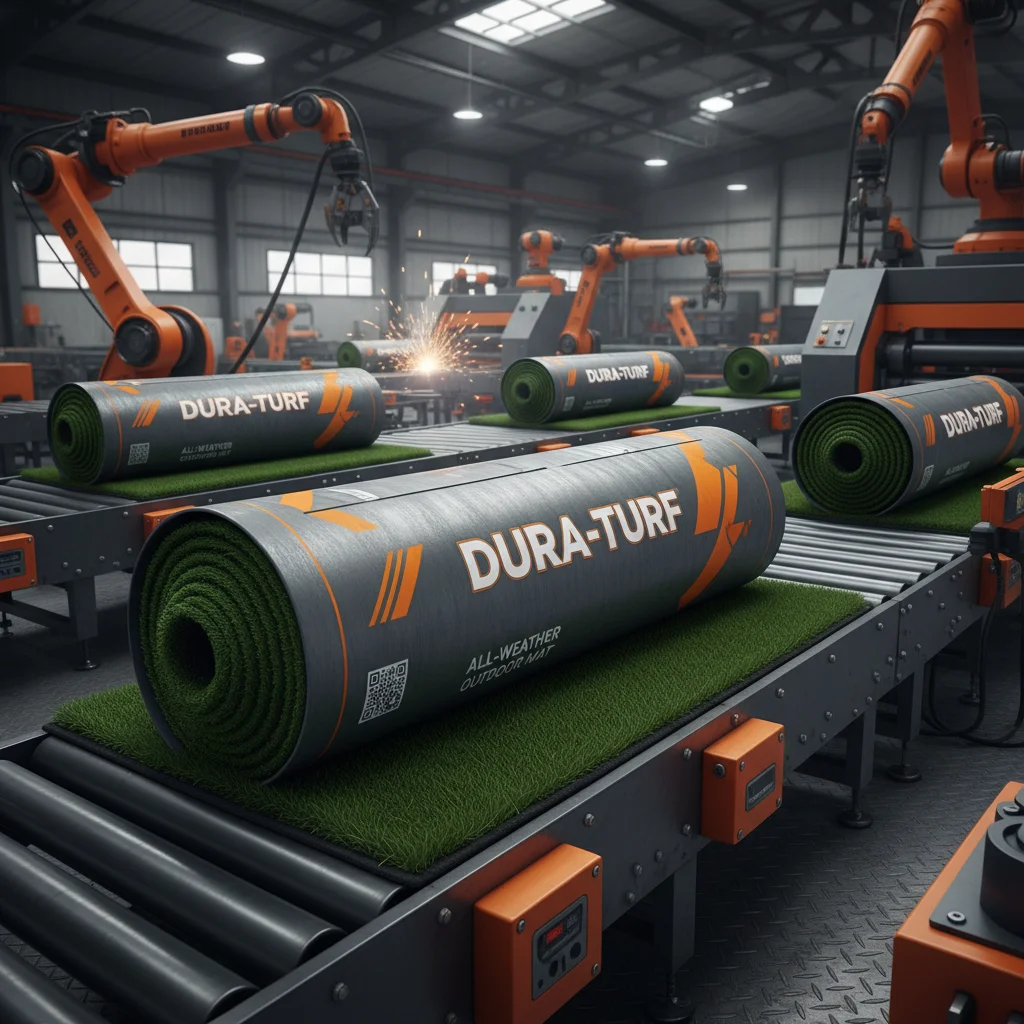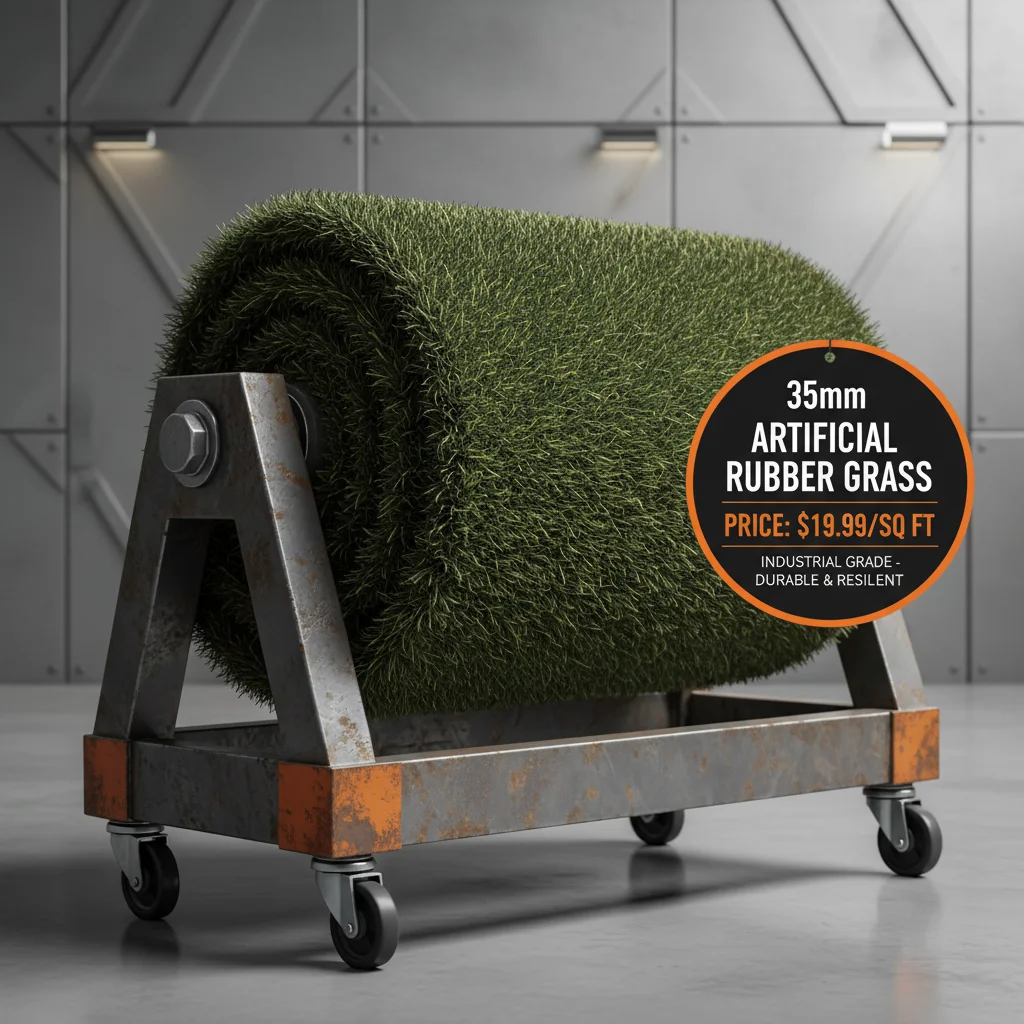


install putting green diy putting green installation turf putting green installation
DIY Putting Green Installation: A Step-by-Step Guide**Step 1: Understanding the Basics of Putting Green Installation**
*Before diving into the installation process, it’s crucial to have a clear understanding of what a putting green is and the materials typically used.*
**What is a Putting Green?**
A putting green is a specialized area designed for golf putting practice. It can be installed in your backyard, providing you with a convenient space to hone your putting skills. Unlike a full-size golf course, putting greens are smaller and designed to simulate the putting surfaces found on real golf courses.
**Common Materials Used:**
- **Artificial Grass:** This is the most popular material for DIY putting greens due to its realistic appearance, low maintenance requirements, and affordability.
- **Base Material:** A layer of crushed stone or sand is typically used as a base material to provide stability and drainage.
- **Sub-base:** Compacted soil or concrete can be used as a sub-base for added stability.
**Step 2: Planning Your Putting Green**
*Before starting the installation process, take the time to plan your putting green’s layout and size.*
**Determining the Size and Shape:**
- Decide on the size and shape of your putting green based on your available space and preferences. A standard putting green is typically 8 to 12 feet wide and 14 to 18 feet long.
- Consider any existing features in your yard, such as trees or other structures, when determining the layout.
**Materials and Tools Needed:**
- Artificial grass
- Base material (crushed stone or sand)
- Sub-base material (compacted soil or concrete)
- Leveling tool
- Rake
- Trowel
- Hoe
- Measuring tape
**Step 3: Preparing the Site**
*Preparing the site is a crucial step in ensuring a successful DIY putting green installation.*
**Removing Existing Materials:**
- Remove any existing grass or weeds from the designated area using a shovel or sod cutter.
- Clear away any rocks, roots, or other debris to ensure a smooth and even surface.
**Creating the Sub-base:**
- Lay down a layer of landscape fabric over the cleared area to prevent weed growth.
- Spread a layer of crushed stone or sand over the landscape fabric, ensuring a consistent thickness of about 2 to 3 inches.
- Compact the base material using a compactor or by walking over the area to create a stable foundation.
**Step 4: Installing the Base Material**
*The base material provides drainage and stability for your putting green.*

**Spreading the Base Material:**
- Use a leveling tool to spread the base material evenly over the sub-base, ensuring a consistent thickness.
- Check the surface for any low spots or high spots and adjust the base material accordingly.
**Compacting the Base Material:**
- Once the base material is evenly spread, compact it using a compactor or by walking over the area.
- Repeat the leveling and compacting process until the base material is smooth and even.
**Step 5: Installing the Artificial Grass**
*The artificial grass is the most visible component of your putting green, so it’s important to install it correctly.*
**Laying Down the Artificial Grass:**
- Unroll the artificial grass over the base material, ensuring it overlaps the edges of the sub-base by about 1 inch.
- Use a knife or scissor to trim the grass to fit the desired shape and size.
**Securing the Artificial Grass:**
- Use a staple gun to secure the grass to the sub-base, placing staples about 6 inches apart along the edges and every 12 inches in the middle of the grass.
- Use a roller to press the grass down into the base material, ensuring it lies flat and smooth.
**Step 6: Finishing Touches**
*The final steps will complete your DIY putting green installation and make it ready for use.*
**Adding the Border:**
- Install a border around the edge of the putting green to keep the grass in place and give it a finished look.
- Use stakes and string to create a guide for the border, then dig a trench and install the border material.
**Sealing the Edges:**
- Apply a bead of silicone sealant along the edges of the putting green to prevent water from seeping under the grass.
- Allow the sealant to cure for at least 24 hours before using the putting green.
**Step 7: Maintenance and Care**
*Once your DIY putting green is installed, proper maintenance will help ensure it stays in excellent condition.*
**Regular Maintenance:**
- Brush the grass regularly to keep it standing up and looking lush.
- Clean any debris or dirt from the surface using a leaf blower or a soft brush.
**Seasonal Care:**
- In colder climates, consider covering the putting green during the winter months to protect the grass and base material.
**Conclusion**
Creating your own DIY putting green is a rewarding project that can provide endless hours of fun and practice. By following these step-by-step instructions and tips, you can install a high-quality putting green that will improve your putting skills and enhance your outdoor space.
For more information on DIY putting green installation or to order high-quality artificial grass products, visit our website at XY Grass or contact us at 0086-13931845866 or sales@xiongyigrass.com.