

Unleash Your Green Thumb: A DIY Guide to Artificial Grass Installation
Introduction to DIY Artificial Grass Installation
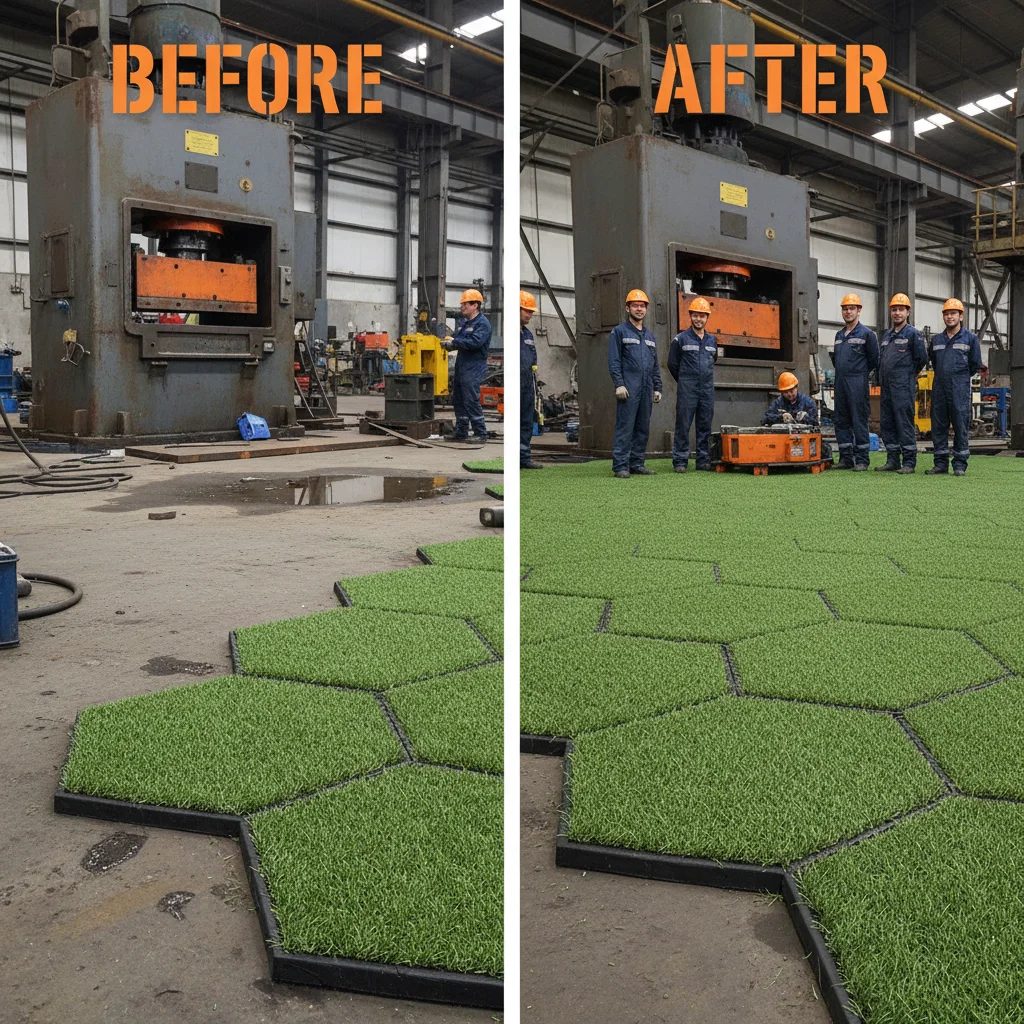
Artificial grass has become a popular choice for homeowners and businesses looking to enhance their outdoor spaces. Whether you want a lush, green lawn, a vibrant playground, or a stylish sports field, installing artificial grass can be a game-changer. And the best part? You can do it yourself! In this article, we'll walk you through the process of DIY artificial grass installation, so you can enjoy your new lawn in no time.
Why Choose Artificial Grass?
Artificial grass offers numerous benefits, including low maintenance, water conservation, and durability. Plus, it looks just like the real thing, but without the hassle of mowing, watering, and weeding. Let's dive into the specifics of choosing the right artificial grass for your project.
Understanding Artificial Grass Types
- Landscaping Grass: Perfect for residential lawns and gardens.
- Sports Grass: Engineered for high-traffic areas, ideal for playgrounds, sports fields, and gyms.
- Carpet Grass: A versatile option for rooftops, balconies, and indoor areas.
- Green Walls (Vertical Grass): Add a touch of greenery to your home or business with vertical grass.
do it yourself turf installation do it yourself synthetic grass how to install artificial turf yourself
Product Specifications and Technical Table
| Product Type | Thickness (mm) | pile Height (mm) | Weight (kg/m²) | Colorfastness |
|---|---|---|---|---|
| Landscaping Grass | 20-40 | 15-25 | 1.8-2.5 | 4-5 |
| Sports Grass | 60-80 | 30-40 | 4.5-5.5 | 4-5 |
| Carpet Grass | 10-15 | 10-15 | 1.5-2 | 4-5 |
| Green Walls (Vertical Grass) | 20-30 | 15-20 | 3-4 | 4-5 |

Step-by-Step DIY Artificial Grass Installation
Step 1: Prepare the Area
Start by removing any existing grass or vegetation, and ensure the ground is level and compacted. If you're working on a slope, consider adding a geotextile fabric to prevent the grass from shifting.
Step 2: Install a Drainage System
In areas prone to pooling water, install a drainage system beneath the base layer. This could be a layer of crushed stone or gravel, ensuring proper water flow away from the grass.
Step 3: Lay the Base Layer
Spread a layer of sand or gravel over the prepared ground, ensuring it's evenly distributed and compacted. This layer will provide a stable foundation for your artificial grass.
Step 4: Roll Out the Artificial Grass
Unroll the artificial grass over the base layer, ensuring there are no wrinkles or air pockets. Use a knife or a utility blade to cut the grass to fit the desired area.
Step 5: Secure the Edges
Use heavy-duty staples or clips to secure the edges of the grass to the ground. Ensure the grass is pulled tight to prevent any sagging.
Step 6: Install Seam Tape
Seam tape is used to connect separate pieces of grass. Apply the tape along the seams and press the grass together, ensuring a seamless look.
Step 7: Fill the Turf Infill
Use a rubber mallet to firmly press infill material (such as sand or rubber granules) into the grass blades. This infill provides additional stability and weight, keeping the grass in place.
Step 8: Brush the Grass
Use a stiff brush to brush the grass upright, ensuring the infill is evenly distributed and the grass looks natural.
Conclusion
DIY artificial grass installation can be a fun and rewarding project, giving you the opportunity to transform your outdoor space into a lush, green paradise. By following this guide, you can confidently tackle the task and enjoy your new lawn for years to come.
For more information on our high-quality artificial grass products, please visit us at XY Grass, a leading Chinese manufacturer and exporter of artificial grass products.