

How to Install Synthetic Lawn: A Step-by-Step Guide
As the demand for synthetic lawns continues to soar, many homeowners and professionals are turning to artificial grass as a cost-effective and low-maintenance alternative to natural grass. With a variety of styles and colors to choose from, installing synthetic lawn can transform your outdoor space into a lush, green haven. In this article, we'll walk you through the process of installing synthetic lawn, from preparation to the final touches. Get ready to enjoy your beautiful, artificial lawn in no time!
Understanding Synthetic Lawn Materials
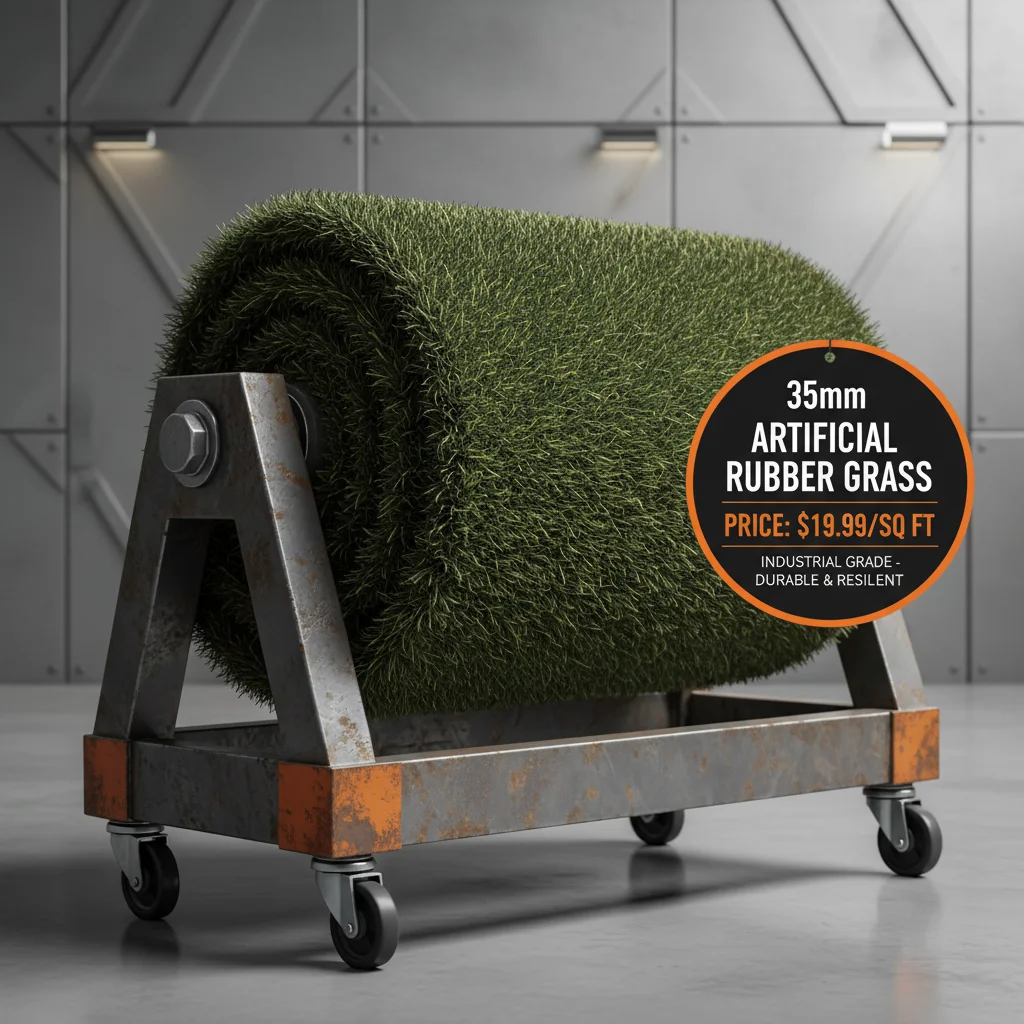
Before diving into the installation process, it's important to understand the materials that make up synthetic lawn. Most artificial grass is made from polyethylene or polypropylene, which are durable and weather-resistant. The backing of the grass is typically made from non-woven synthetic fabric, while the infill material is usually crumb rubber or silica sand. These materials contribute to the longevity and performance of your synthetic lawn.
Product Specifications and Technical Table
| Product Name | XY Grass |
|---|---|
| Material | 100% Polyethylene |
| Backing Material | Non-woven synthetic fabric |
| Infill Material | Crumb rubber |
| UV Stabilization | Yes |
| Guarantee | 10 years |
how to install synthetic grass how to install synthetic turf grass turf how to install
Step 1: Plan Your Installation
Before you start installing your synthetic lawn, it's crucial to plan the layout. Measure the area you'll be covering and determine the amount of grass you'll need. Consider any obstacles or features you want to include, such as garden beds, walkways, or furniture. Planning ahead will save you time and money in the long run.
Step 2: Prepare the Ground
Preparation is key to a successful synthetic lawn installation. Here's what you need to do:
-
Clear the Area
Remove any existing grass, weeds, or debris from the installation area. Use a sod cutter or shovel to remove the top layer of soil.
-
Level the Ground
Use a laser level or a spirit level to ensure the ground is flat. If necessary, add or remove soil to achieve a level surface.

-
Install a Drainage System
To prevent water from pooling on your synthetic lawn, install a drainage system. This can be as simple as creating a shallow trench with a slope towards the nearest drain.
Step 3: Lay the Ground Fabric
Ground fabric helps prevent weeds and pests from growing through your synthetic lawn. Here's how to install it:
-
Unroll the Fabric
Lay the ground fabric over the prepared ground, ensuring it's tight and smooth. Overlap the edges by at least 6 inches to create a barrier against weeds.
-
Secure the Fabric
Use landscape staples or a staple gun to secure the fabric to the ground. Space the staples about 12 inches apart.
Step 4: Install the Synthetic Lawn
Now it's time to lay down your synthetic lawn:
-
Unroll the Grass
Begin at one end of the area and unroll the grass, following the contours of the ground. Leave a few inches of extra material on the edges to trim later.
-
Join the Pieces
If you have multiple pieces of grass, join them using seam tape or seaming tools. Ensure the seams are tight and sealed.
-
Trim the Edges
Use a utility knife or scissors to trim the edges of the grass, ensuring a clean and professional look.
Step 5: Apply the Infill Material
Infill material adds weight and stability to your synthetic lawn, as well as improving its appearance and performance:
-
Spread the Infill
Use a broadcast spreader to evenly distribute the infill material over the grass surface. Start with about half the recommended amount and adjust as needed.
-
Rake the Infill
Use a stiff-bristled rake to brush the infill material into the grass blades and down into the seams. This will help ensure a uniform appearance and prevent the grass from bunching up.
Step 6: Final Touches
Once your synthetic lawn is installed, there are a few final touches to complete the job:
-
Clean Up
Sweep up any excess infill material or debris that may have accumulated during installation.
-
Regular Maintenance
To keep your synthetic lawn looking great, follow a regular maintenance schedule. This may include sweeping, raking, and occasionally rinsing the grass with a hose.
Conclusion
Installing synthetic lawn is a rewarding project that can transform your outdoor space into a beautiful, low-maintenance retreat. By following this step-by-step guide, you'll be well on your way to enjoying your new artificial lawn. If you need any help or have questions during the installation process, don't hesitate to contact XY Grass at 0086-13931845866 or sales@xiongyigrass.com. Happy installing!