

Understanding the Lawn Installation Cost: A Comprehensive Guide
Introduction
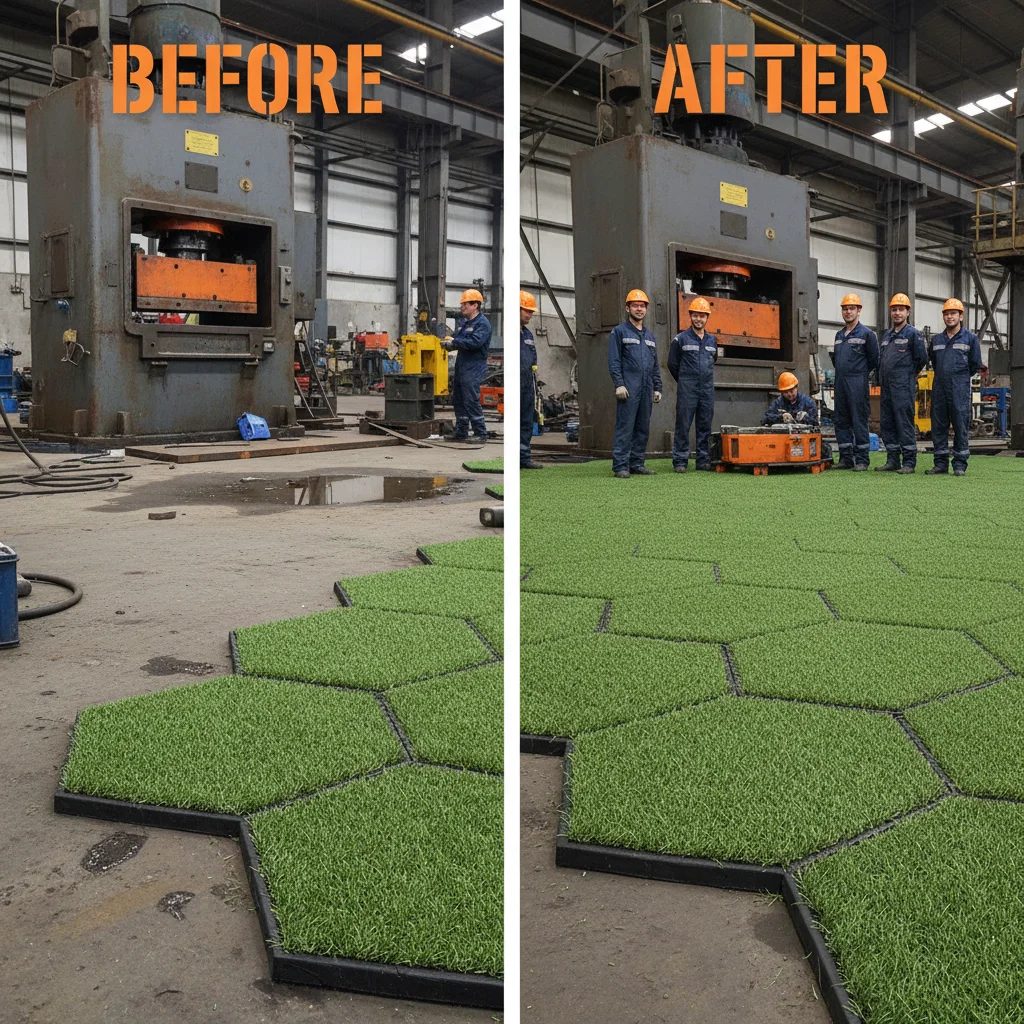
Welcome to the world of artificial grass! Whether you're looking to transform your backyard, create a stunning green space for your business, or simply enhance the aesthetic of your property, installing a lawn can be a game-changer. One of the key factors in this process is the cost, and in this article, we'll dive deep into the lawn installation cost, breaking it down into manageable pieces to help you make informed decisions. So, let's get started!
1. The Cost Breakdown
1.1 Material Costs
The material cost is the foundation of your lawn installation budget. Here's a breakdown of the key components:
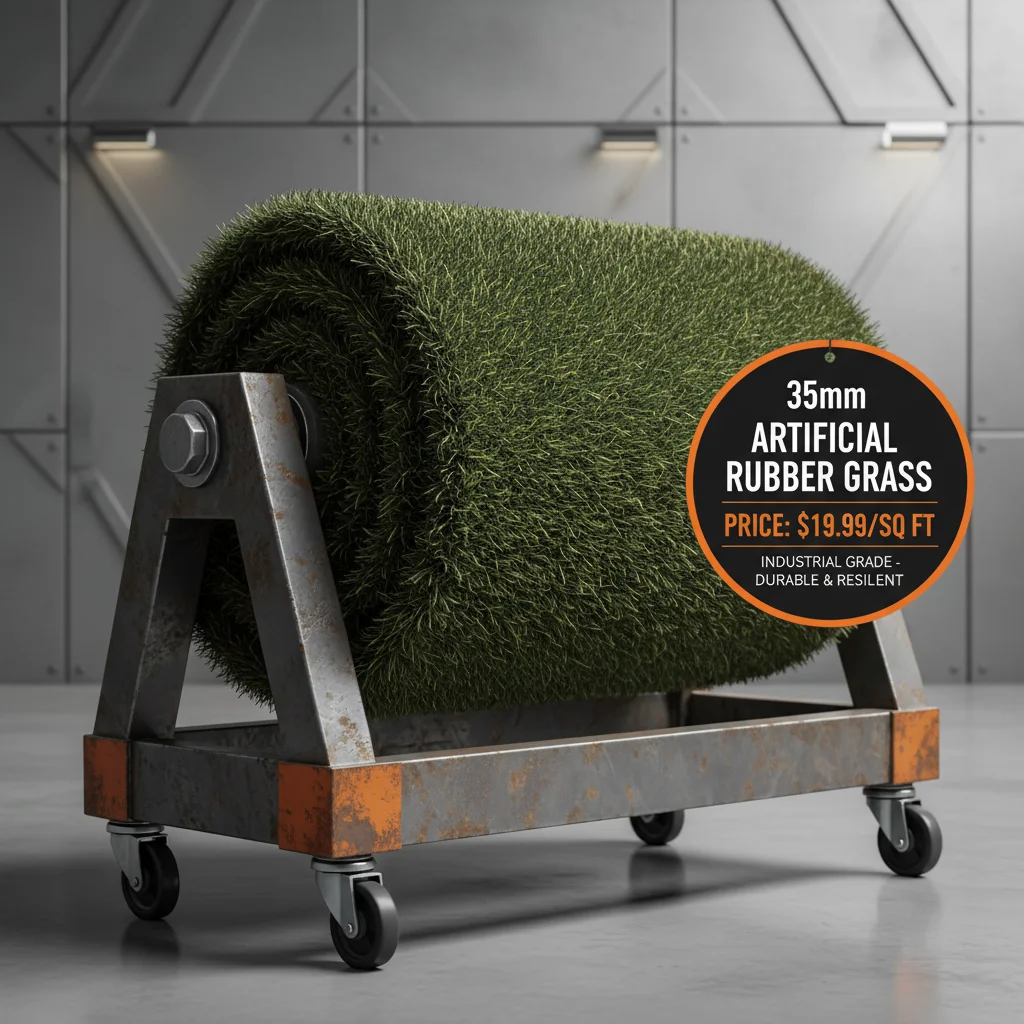
- Artificial Grass: This is the main component and will vary in price based on quality, thickness, and features. Higher-quality grasses often come with a higher price tag but offer better durability and aesthetic appeal.
- Underlayment: This material provides cushioning and helps the grass lay flat. The cost depends on the type and thickness of the underlayment.
- Edging: Edging helps contain the grass and protect your property. It can be made from various materials, including plastic, metal, or wood, with prices varying accordingly.
1.2 Labor Costs
Labor costs are another significant factor. Here's what you need to consider:
- Installation Team: The size of the team will depend on the size of your project. Larger teams can complete the job faster but may come at a higher cost.
- Installation Time: The time required for installation can vary, depending on the complexity of the project. A more complicated layout or uneven terrain may require additional time and effort.
- Transportation and Equipment: The cost of transporting equipment and materials to your property can also impact the overall labor cost.
2. Factors Influencing the Cost
2.1 Size of the Project
The size of your project will have a direct impact on the lawn installation cost. Larger areas will require more materials and labor, resulting in higher costs.
2.2 Quality of Materials
Higher-quality materials often come with a higher price tag. However, investing in premium materials can lead to a longer lifespan and reduced maintenance costs in the long run.
artificial lawn installation cost synthetic lawn installation cost turf lawn installation
2.3 Complexity of the Project
Complex projects, such as those involving slopes, curves, or unique designs, will require more labor and time, increasing the overall cost.

2.4 Location
The cost of labor and materials can vary depending on your location. In some areas, the cost of living and labor may be higher, leading to higher overall costs.
3. The Benefits of Installing Artificial Grass
3.1 Cost-Effective
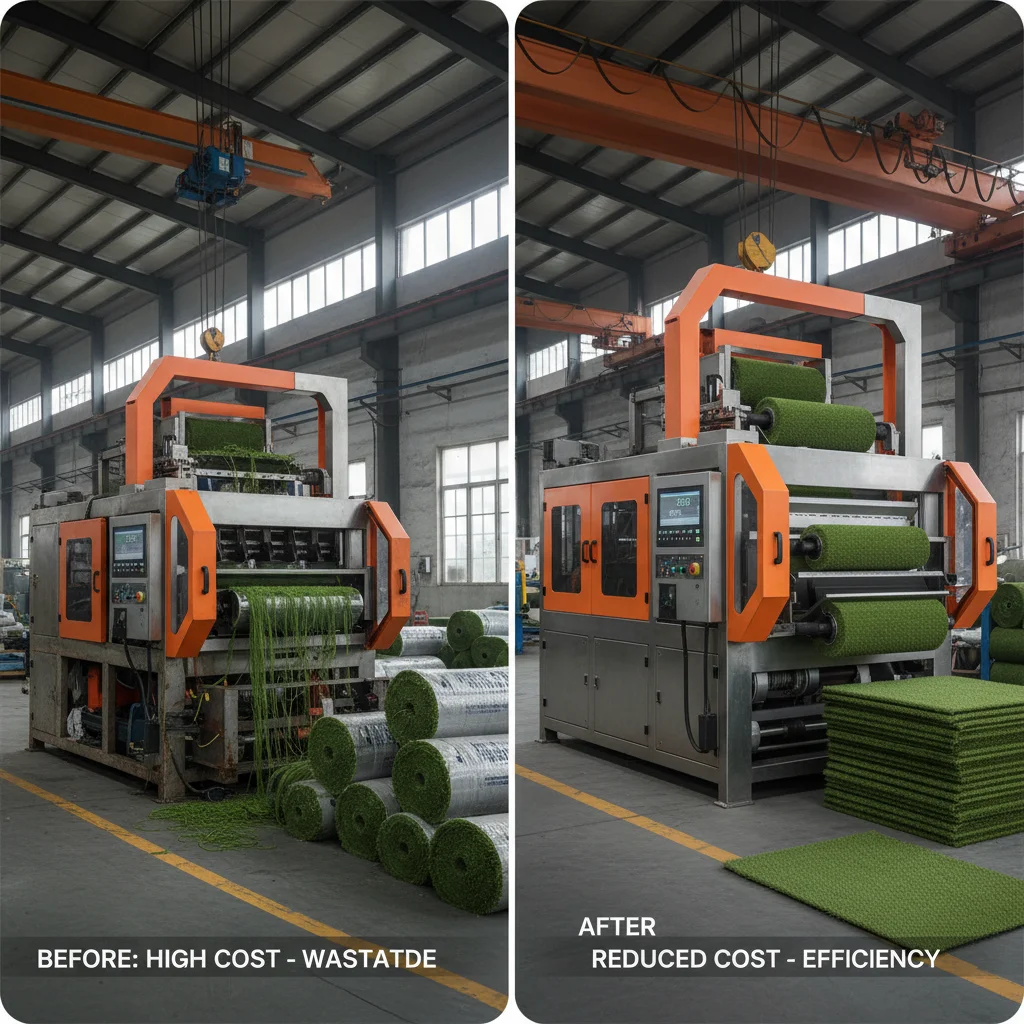
While the initial investment may be higher than traditional grass, artificial grass offers long-term cost savings due to reduced maintenance and watering expenses.
3.2 Low Maintenance
Artificial grass requires minimal maintenance, making it a convenient choice for busy homeowners or those looking to reduce their workload.
3.3 Durability
High-quality artificial grass can last for many years, offering a durable and long-lasting solution for your lawn.
4. Choosing the Right Supplier
4.1 Reputation
Research the reputation of the supplier before making a purchase. Look for reviews, testimonials, and ratings to ensure you're working with a trusted company.
4.2 Product Range
Choose a supplier that offers a wide range of products to meet your specific needs and preferences.
4.3 Customer Service
A reliable supplier will provide excellent customer service, including assistance with installation, maintenance, and troubleshooting.
5. Conclusion
In conclusion, understanding the lawn installation cost is crucial for making an informed decision. By considering the factors outlined in this article, you can create a beautiful, durable, and cost-effective lawn that will enhance your property for years to come. Remember to choose a reputable supplier, invest in high-quality materials, and consider the long-term benefits of artificial grass. Happy installing!