

Understanding the Natural Turf vs Artificial Turf Debate: A Comprehensive Guide
Introduction to Natural Turf and Artificial Turf
Have you ever found yourself torn between the lush greenery of natural turf and the convenience of artificial turf? Well, you're not alone. This article delves into the age-old debate of natural turf vs artificial turf, comparing their benefits, drawbacks, and suitability for various applications. As an experienced technical content writer, I've compiled a comprehensive guide to help you make an informed decision for your needs.
Understanding Natural Turf
Natural turf, also known as natural grass, is grown from seeds or sod and provides a lush, green surface that resembles traditional grass. It is widely used in gardens, sports fields, and recreational areas. Let's explore some of the key aspects of natural turf:
Pros:
- Realistic appearance: Natural turf offers a lifelike appearance, providing a sense of authenticity and connection with nature.
- Environmentally friendly: It is a renewable resource, and proper maintenance can ensure its longevity.
- Improved air quality: Natural grass helps filter pollutants from the air, improving the overall quality of the environment.
- Root systems: Natural turf has a robust root system that can withstand heavy foot traffic and various weather conditions.
Cons:
- High maintenance: Natural turf requires regular watering, fertilizing, and mowing to maintain its appearance and health.
- Unpredictable weather: Natural turf is susceptible to damage from extreme weather conditions, such as heavy rain, snow, or frost.
- Pests and diseases: Natural turf is prone to pests and diseases, which can be challenging to control.
- Limited usage: Natural turf is not suitable for areas with heavy foot traffic or where consistent performance is required.
Understanding Artificial Turf
Artificial turf, also known as synthetic grass, is a man-made alternative to natural grass. It is made from a variety of materials, including polyethylene, polypropylene, and nylon, and is designed to mimic the appearance and feel of natural grass. Let's examine the key aspects of artificial turf:
Pros:
- Low maintenance: Artificial turf requires minimal upkeep, saving time and money on watering, fertilizing, and mowing.
- Consistent performance: Artificial turf is resistant to weather conditions and can withstand heavy foot traffic, making it ideal for sports fields and recreational areas.
- Durable: Artificial turf is designed to be long-lasting, with some products offering warranties of up to 15 years.
- Water-saving: Artificial turf requires no watering, saving thousands of gallons of water annually.
Cons:
- Appearance: Some people may find artificial turf to be less realistic than natural grass.
- Heat: Artificial turf can become hot under direct sunlight, which may be uncomfortable for athletes and recreational users.
- Environmentally friendly: The production of artificial turf involves energy-intensive processes, and the disposal of worn-out turf can pose environmental challenges.

Comparing Natural Turf and Artificial Turf
Now that we have a better understanding of both natural turf and artificial turf, let's compare the two based on several factors:
Appearance
Natural turf offers a more authentic and lifelike appearance, while artificial turf has come a long way in mimicking the look and feel of real grass. However, advancements in technology have made artificial turf increasingly indistinguishable from natural grass.
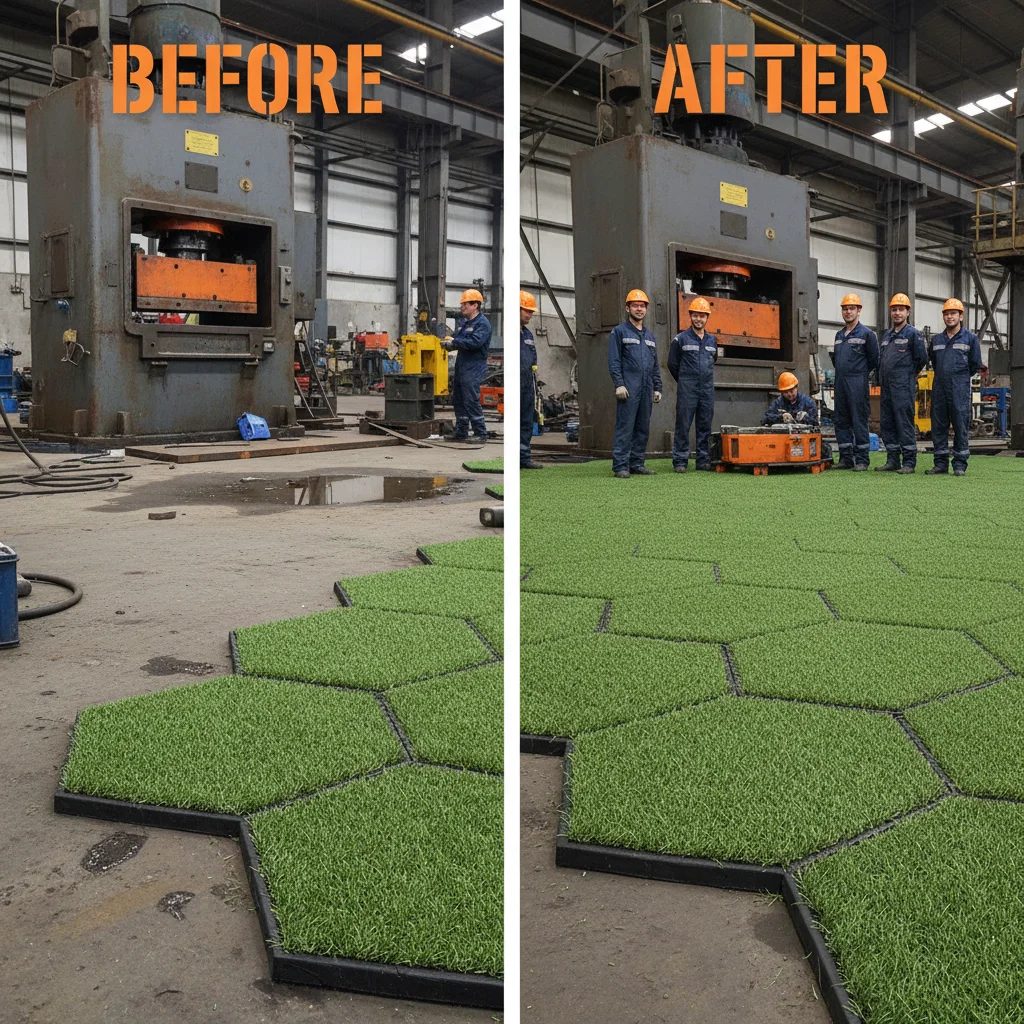
synthetic turf vs natural grass natural turf natural turf installation
Maintenance
Natural turf requires regular maintenance, including watering, fertilizing, and mowing, which can be time-consuming and costly. In contrast, artificial turf requires minimal upkeep, making it a more convenient option for busy individuals or those living in areas with limited resources.
Cost
The initial cost of natural turf can be lower than artificial turf, but the long-term costs associated with maintenance and replacement can offset this advantage. Artificial turf may have a higher upfront cost, but its durability and low maintenance requirements can result in significant savings over time.
Environmental Impact
Natural turf is a renewable resource and can contribute to improved air quality, but it requires resources for watering, fertilizing, and mowing. Artificial turf is not environmentally friendly during production but can save water and reduce the need for pesticides and fertilizers in the long run.
Product Specifications and Technical Table
To help you make an informed decision, we've compiled a technical table comparing the specifications of natural turf and artificial turf from XY Grass, a leading manufacturer and exporter of artificial grass products.
| Feature | Natural Turf | Artificial Turf (XY Grass) |
|------------------------|----------------------------|-----------------------------------|
| Appearance | Realistic, lifelike | Highly realistic, indistinguishable from natural grass |
| Maintenance | High (watering, fertilizing, mowing) | Low (minimal upkeep) |
| Durability | Varies (depends on quality) | High (warranties up to 15 years) |
| Environmental Impact | Renewable resource | Not environmentally friendly during production, but water-saving and sustainable over time |
| Cost | Initial cost lower, long-term maintenance higher | Initial cost higher, long-term savings possible due to low maintenance requirements |
Conclusion
Choosing between natural turf and artificial turf depends on your specific needs, budget, and preferences. While natural turf offers a realistic appearance and environmental benefits, artificial turf is more convenient, durable, and cost-effective in the long run. As you weigh your options, consider the unique features and benefits of each option and choose the one that best suits your needs.
If you're still unsure, reach out to XY Grass for more information. We are committed to providing high-quality artificial grass products that cater to a wide range of applications. Contact us at 0086-13931845866 or sales@xiongyigrass.com to learn more about our products and services.
Remember, the choice between natural turf and artificial turf is not just about aesthetics; it's about creating a sustainable, cost-effective, and user-friendly environment for your needs.