

For import managers, brand owners, and sourcing agents, selecting the right material is a critical first step in product development and procurement. Polyethylene (PE), a versatile and widely used polymer, serves as a foundational material for countless products, from durable artificial grass fibers to flexible packaging. This article provides a concrete polyethylene example within a B2B manufacturing context, moving beyond chemical formulas to address practical concerns: How do you ensure consistent material quality? Can a supplier support custom formulations (OEM/ODM) for my market? What does a reliable, high-capacity supply chain look like in practice? We will explore these questions by examining the approach of a specialized manufacturer, HEBEI XIONGYI RUBBER & PLASTIC PRODUCTS CO., LTD. ("XY Grass"), highlighting how core operational strengths translate into tangible benefits for global buyers.
Common Challenges in Sourcing Polyethylene-Based Products
Procuring consistent, high-quality polyethylene components or finished goods involves navigating a complex landscape. International buyers often face several persistent pain points:
- Inconsistent Material Quality & Performance: Variations in raw polymer resin batches can lead to differences in UV stability, tensile strength, and colorfastness in the final product, risking customer returns and brand damage.
- Limited Customization & Slow Response: Many factories offer standard catalog items only, lacking the R&D and production flexibility for OEM/ODM projects, or have protracted development cycles.
- Unpredictable Lead Times & Logistics: Disconnected supply chains, from resin sourcing to finished goods shipping, cause delays, missing crucial market windows for seasonal products like landscaping turf.
- Opacity in Compliance & Certification: Uncertainty about whether materials and processes meet relevant international standards (e.g., REACH, FDA for certain applications, sports certifications) adds regulatory risk.
- Communication and Project Management Hurdles: Technical misunderstandings and lack of fluent, professional communication can derail specifications and timelines.
A Vertically-Integrated Manufacturing Solution
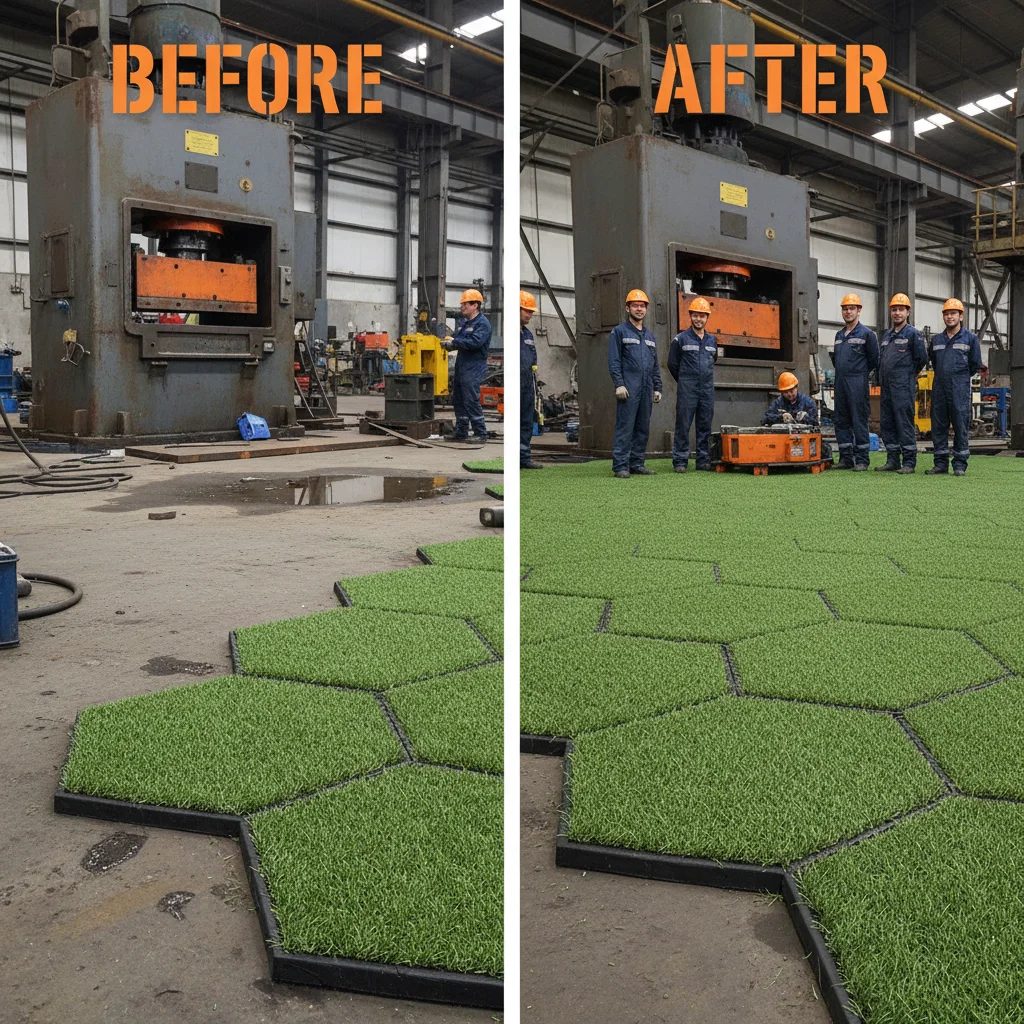
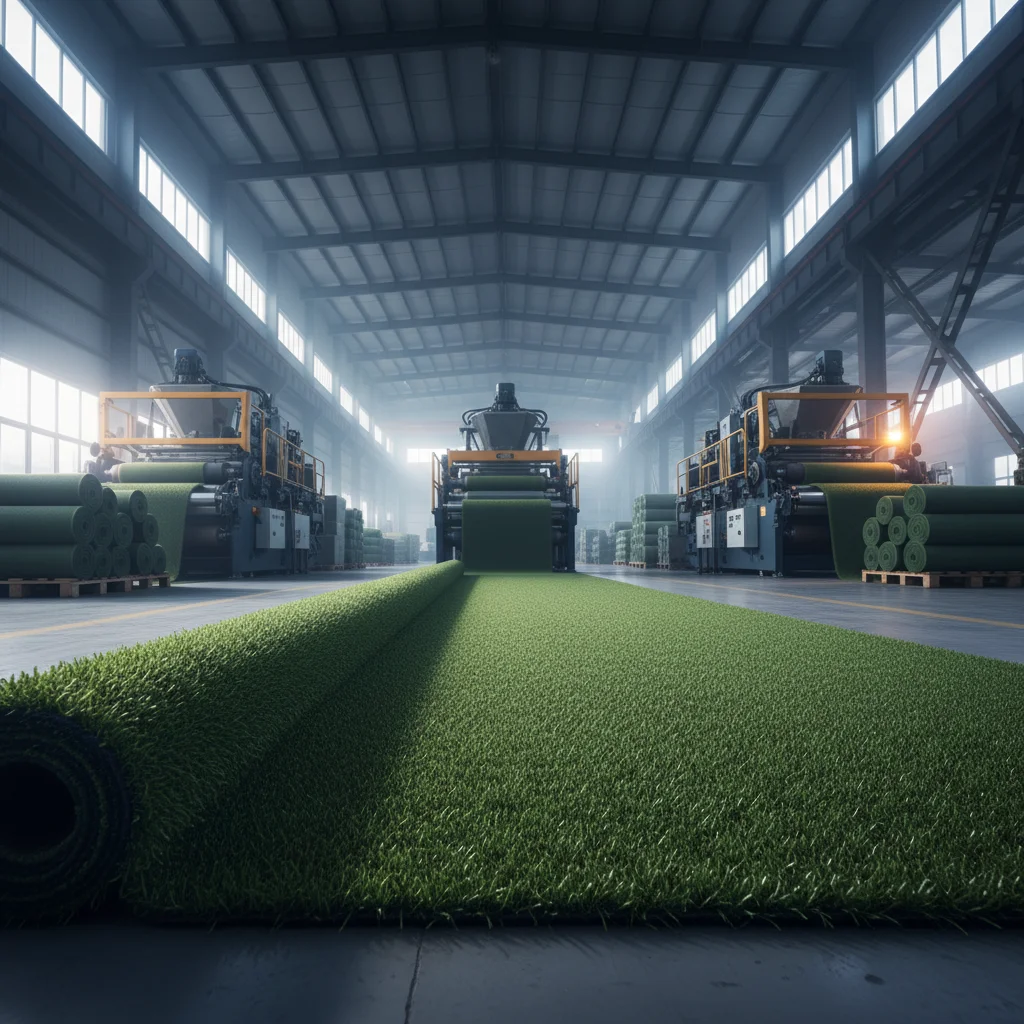
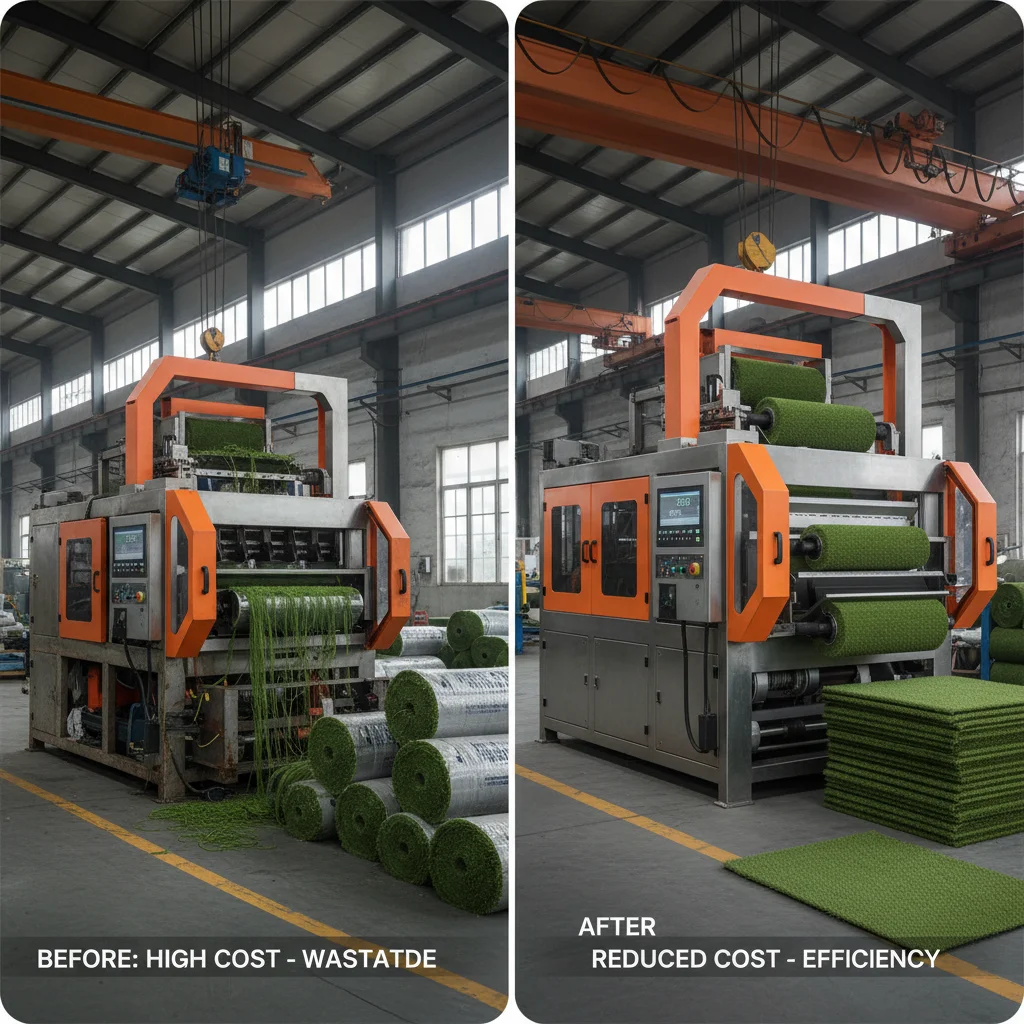
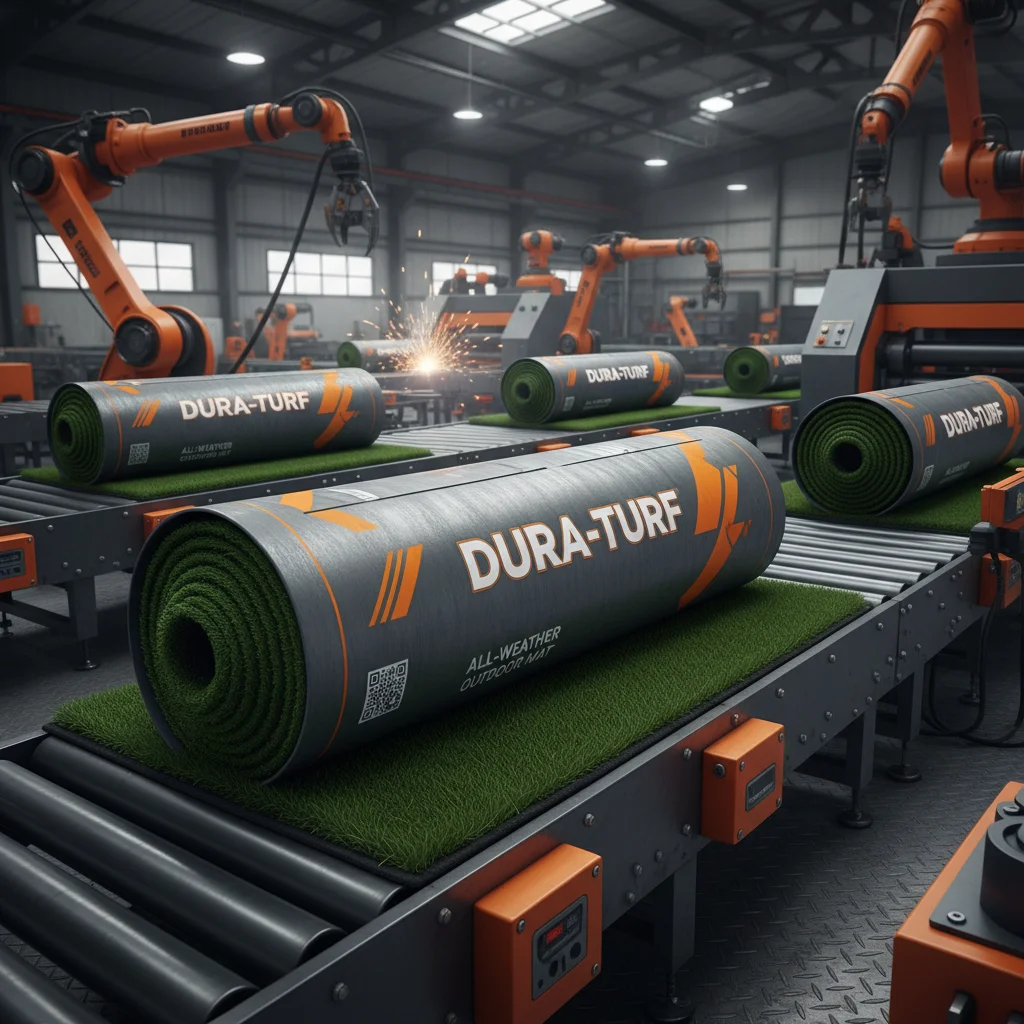
Addressing these challenges requires a supplier with control over the entire process. A powerful factory model, where material compounding, extrusion, weaving, and backing are managed under one roof, provides a direct solution. For instance, in producing polyethylene-based artificial grass, XY Grass operates from a 5,000 m² facility, allowing for stringent quality assurance at each stage. This integration enables true OEM/ODM design support, from fiber denier and shape to backing compound, and facilitates high-speed delivery by eliminating dependencies on multiple sub-suppliers. Leveraging China's supply chain efficiency for raw materials and logistics becomes a reliable advantage, not a bottleneck, within this controlled system.
Key Advantages of a Specialist Polyethylene Manufacturer
What specific value does this integrated approach bring to your procurement process?
1. Material Science & Technical Specifications
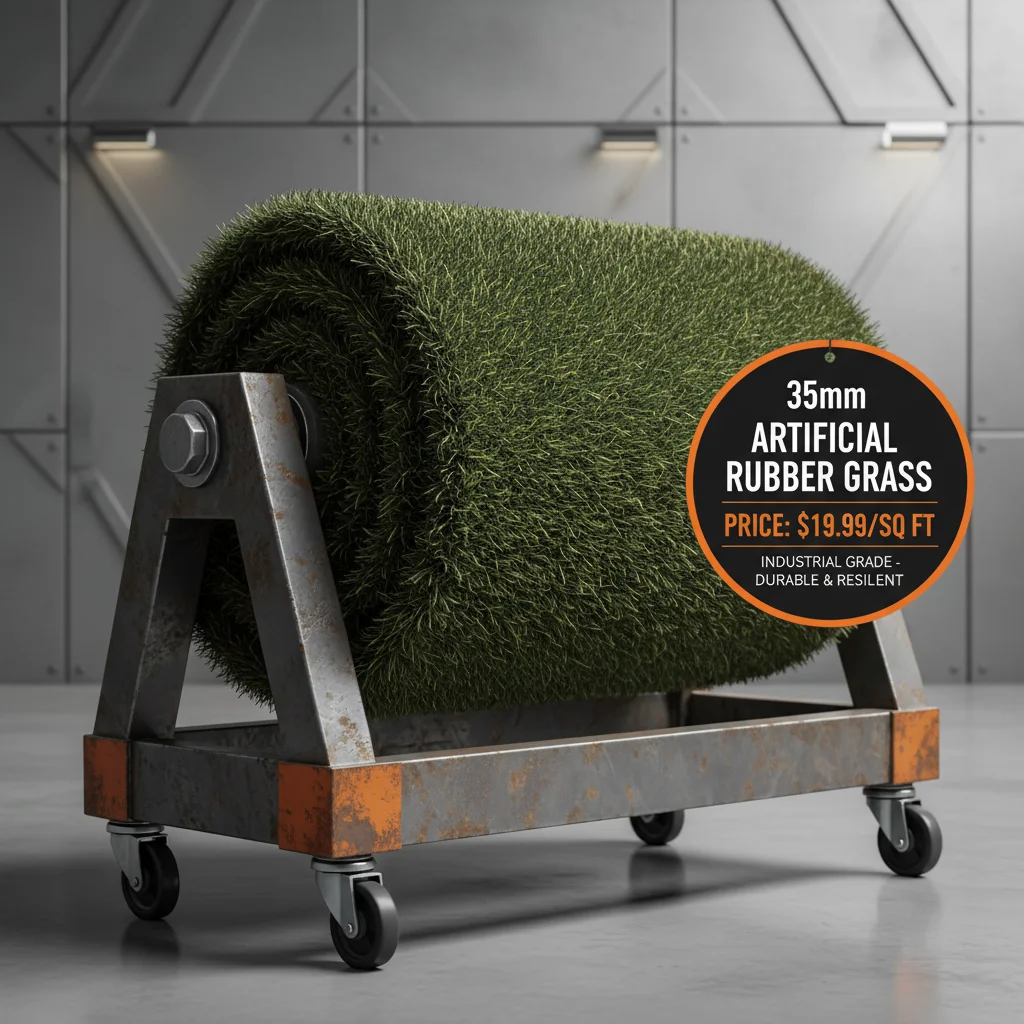
Understanding the polyethylene example in detail is key. For artificial turf, high-quality polyethylene fibers offer superior softness, resilience, and UV resistance compared to polypropylene. Key parameters buyers should discuss include:
- Denier & Dtex: Defines fiber thickness and impacts durability and feel.
- UV Stabilizer Content: Critical for longevity and color retention, often measured in years of warranty.
- Monofilament vs. Fibrillated: Different extrusion processes for different aesthetic and performance outcomes.
- Backing Compound: Polyethylene layers combined with latex or PU for stability and drainage.
| Fiber Type | Primary Polyethylene Form | Key Characteristics | Typical Applications |
|---|---|---|---|
| Monofilament | High-Density PE (HDPE) | Excellent resilience, natural blade-like appearance, high durability | Landscaping, premium sports fields |
| Fibrillated | Polyethylene Film Tape | Cost-effective, good coverage, textured surface | Basic landscaping, carpet grass |
2. Compliance & Quality Assurance Framework
Trust is built on verifiable standards. Reputable manufacturers invest in certifications that matter to global markets. These often include:
- ISO 9001:2015: Framework for a consistent quality management system.
- CE Certification: Indicates conformity with health, safety, and environmental standards for the European market.
- Reach Compliance: Ensures controlled use of chemical substances.
- Sports-Specific Certifications: For turf products, approvals from bodies like FIFA or World Rugby require rigorous lab and field testing.
Note: Specific certifications apply to specific product lines. Always request current, valid certification documents for the product you are sourcing.
3. OEM/ODM & Customization Capability
Beyond standard green turf, a capable partner can execute custom projects. This includes:
- Color Matching: Creating unique shades for brand or project identity.
- Fiber Profile Design: Engineering blade shape (e.g., diamond, flat, C-shaped) for specific performance like ball roll or foot comfort.
- Backing & Coating Adjustments: Modifying permeability, weight, and adhesive for different climates or installations.
- Packaging & Labeling: Providing neutral or custom-branded packaging.
4. Transparent Commercial Terms
Clear terms enable smooth transactions. A professional supplier provides upfront information:
- MOQ (Minimum Order Quantity): Typically starts at one 20-foot or 40-foot container load for standard items. Smaller MOQs may be available for custom ODM projects, subject to discussion.
- Lead Time: For standard container orders, production lead time is generally 15-25 days after deposit and final sample confirmation. This can vary for large or custom projects.
- Payment Terms: Common terms include T/T (30% deposit, 70% before shipment), or L/C at sight.
- Shipping & Logistics: Standard terms are FOB main Chinese port (e.g., Tianjin, Qingdao). Suppliers can often arrange CIF/DAP to destination port upon request.
Disclaimer: All MOQ, lead time, and pricing information are for reference. Please refer to the actual quotation and order confirmation for final, binding terms.
Building Trust Through Proven Performance
Established operations and client feedback are powerful indicators of reliability. HEBEI XIONGYI RUBBER & PLASTIC PRODUCTS CO., LTD. ("XY Grass"), founded over a decade ago, has grown its facility to cover 5,000 m², housing advanced extrusion and tufting lines. This scale supports consistent capacity for both bulk orders and specialized projects.
Customer Reviews & Feedback
"We've been importing landscaping grass from XY Grass for three years for our chain of garden centers in Florida. The consistency is what stands out—every shipment matches the sample in color and pile height. Their technical team also helped us develop a drought-resistant line that's been a top seller. Communication is direct and professional."
- Michael T., Procurement Director, Southeastern Landscape Supplies, USA
"As a startup creating custom pet turf, we needed a factory that could handle small-batch ODM. XY Grass was flexible. They worked through multiple sample iterations with us, ensuring the polyethylene fiber density and backing drainage met our specific requirements. Their patience during the development phase was invaluable."
- Sarah L., Brand Owner, UrbanPaws Co., Canada
"We source for several European distributors. The lead times from XY Grass are among the most reliable. They manage production scheduling effectively and keep us updated. Having ISO and CE documentation readily available for all their product ranges simplifies our compliance process significantly."

- Johan van der W., Sourcing Agent, Netherlands
Next Steps for Your Polyethylene Product Project
Transforming a polyethylene example into a successful commercial product requires a partner with material expertise, manufacturing control, and a commitment to transparency. Whether you are evaluating artificial turf for a sports field, a landscaping project, or a custom plastic product application, a detailed conversation is the first step.
Ready to Discuss Your Specifications? Contact the XY Grass team today to request technical data sheets, discuss customization possibilities (OEM/ODM), or obtain a formal quotation tailored to your project volume and requirements. Provide your product concept or samples for a confidential evaluation.
Contact: XY Grass Sales Team
Tel: +86-13931845866
Email: sales@xiongyigrass.com
polyethylene uses polyethylene polymer thermoplastic polyethylene
Website: https://www.xy-grass.com/contactus/
Address: Hope New District, Mengcun County, Cangzhou City, Hebei Province, China

About the Author
Alex Carter is a Technical Director with over 15 years of experience in polymer materials and manufacturing processes for the synthetic surfaces industry. Having worked with raw material suppliers, manufacturers, and international buyers, he provides practical insights into sourcing, quality validation, and product development for B2B clients. Alex focuses on translating technical specifications into commercial and performance advantages for importers and brands.
Frequently Asked Questions (FAQs) on Polyethylene Products Sourcing
What is the main advantage of using polyethylene (PE) for artificial grass instead of polypropylene (PP)?
Polyethylene fibers generally offer superior softness, better UV resistance, and higher resilience (ability to spring back) compared to polypropylene. This results in a more natural feel underfoot and typically longer-lasting color and durability, making PE the preferred choice for higher-end landscaping and sports applications.
Can you produce artificial turf according to our specific color and logo?
Yes, as part of our OEM/ODM services, we offer custom color matching and can incorporate yarns of different colors to create patterns or even tufted logos directly into the turf surface. This requires creating custom masterbatch and sample approval before mass production.
What certifications should I look for when sourcing polyethylene artificial turf for the European market?
Key certifications include CE marking, which may involve compliance with harmonized standards for reaction to fire and chemical content. REACH compliance for substances is also crucial. For sports turf, additional certifications from bodies like FIFA (for football) involve separate, product-specific field and laboratory testing.
What is the typical warranty offered on your polyethylene turf products?
Warranties vary by product line and application (residential, commercial, sports). They typically cover UV degradation and colorfastness, ranging from 5 to 8 years for landscaping products. Exact warranty terms are provided in the commercial contract and are based on validated test data for the specific product.
How do you ensure consistency in quality from one production batch to another?
Consistency is managed through a controlled vertical process: using raw resin from qualified suppliers, in-house compounding with precise formulas, continuous online monitoring during extrusion, and final QC checks on tensile strength, weight, and color. An ISO 9001 system provides the procedural framework for this control.