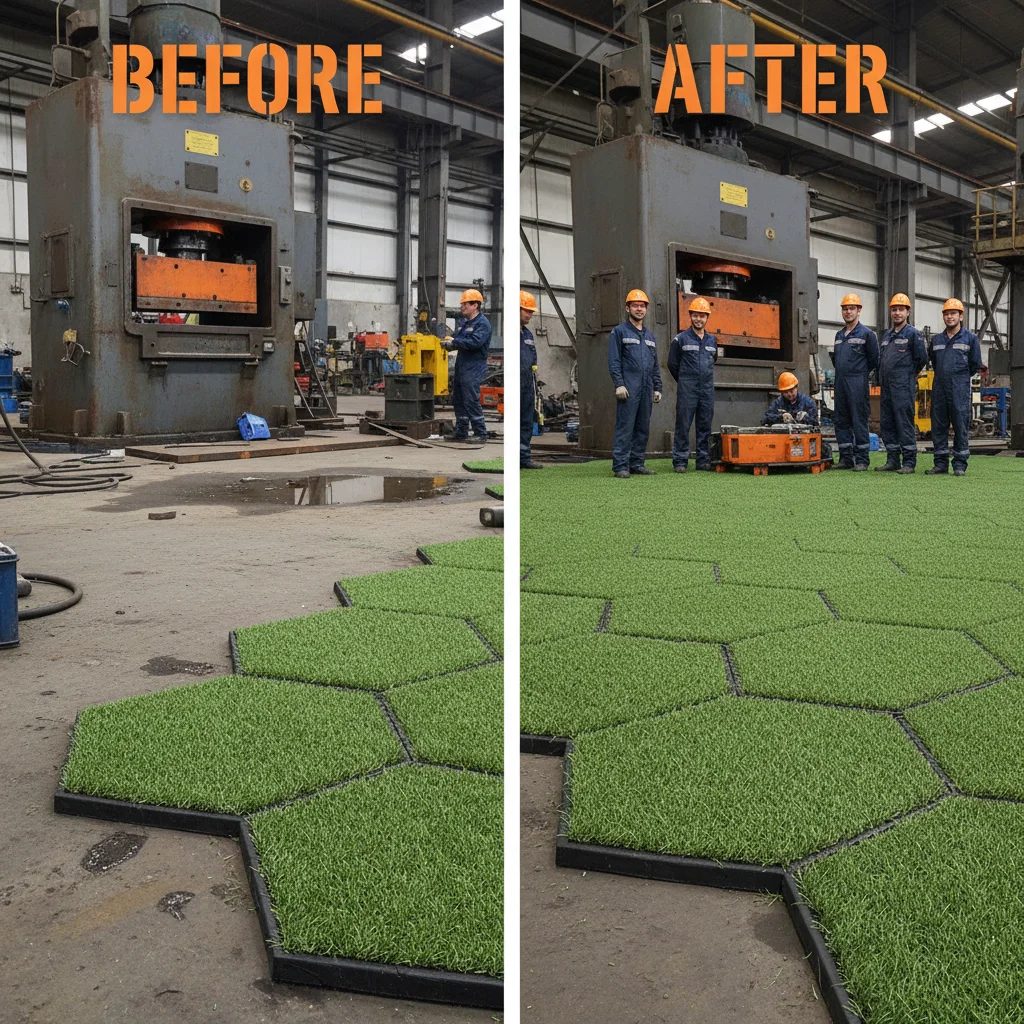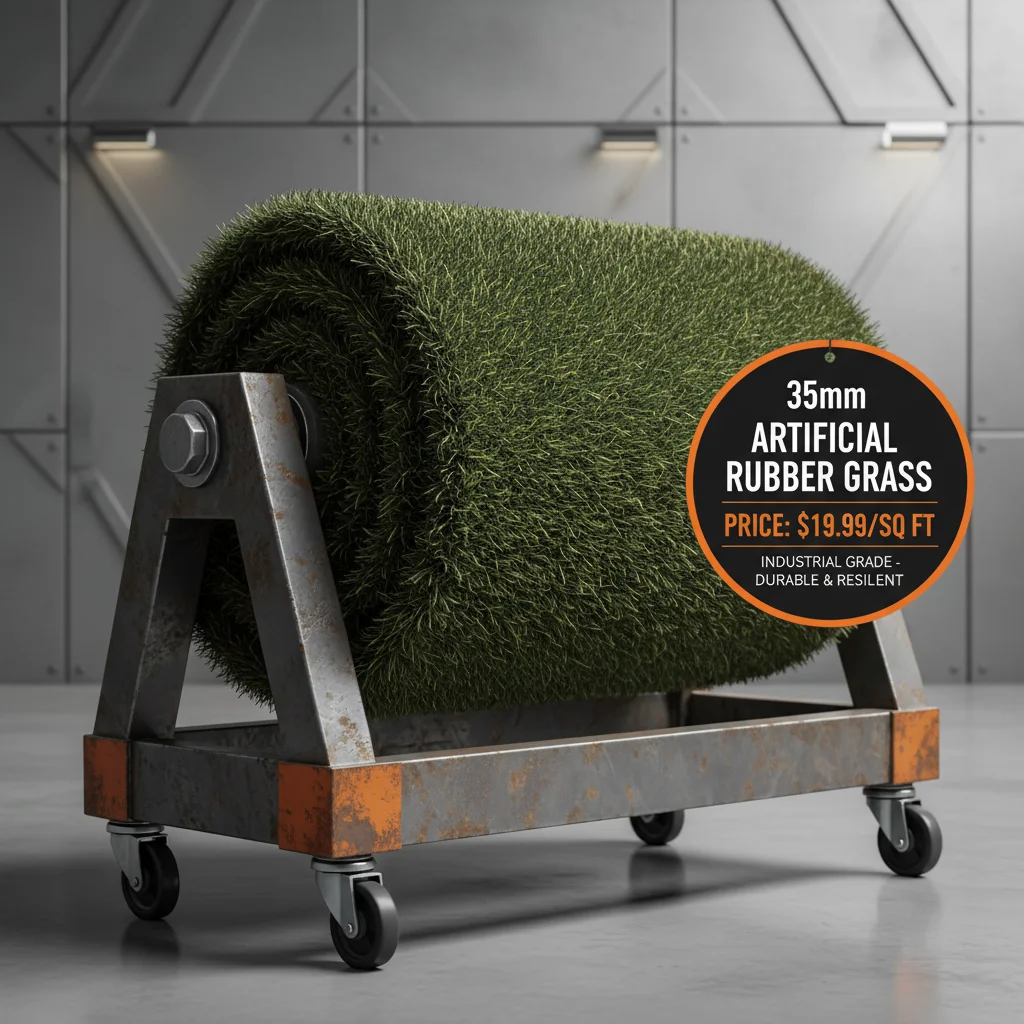


starting a lawn from scratch starting a new lawn starting new grass
Starting a Lawn from Seed: A Comprehensive GuideChoosing the Right Seed for Your Lawn
When starting a lawn from seed, the first step is selecting the right seed for your needs. Whether you're looking to create a lush, green carpet for your backyard or a durable surface for sports activities, the right seed is crucial. At XY Grass, we offer a wide range of high-quality seeds that cater to various lawn needs.
**Product Specifications:**
| Feature | Description |
| --- | --- |
| Seed Type | Premium, high-quality grass seeds |
| Variety | Diverse options for landscaping, sports, and carpet grass |
| Germination Rate | Up to 95% |
| Color | Natural green |
| Application Rate | 20-30 pounds per acre |
**Technical Table:**
| Seed Variety | Application Rate (pounds per acre) | Ideal Use |
| --- | --- | --- |
| Kentucky Bluegrass | 20-30 | Landscaping, residential lawns |
| Bermuda Grass | 20-30 | Sports fields, commercial lawns |
| Zoysia Grass | 15-20 | Carpet grass, low-maintenance lawns |
Preparing the Soil
Once you've chosen the perfect seed, it's time to prepare the soil. A well-prepared soil base is essential for a healthy lawn. Here's how to get started:
**Step 1: Clear the Area**
Remove any weeds, rocks, or debris from the area where you'll be laying your lawn. This will ensure that your seeds have a clean, even surface to grow on.
**Step 2: Loosen the Soil**
Use a garden fork or tiller to loosen the soil to a depth of 6-8 inches. This will allow the seeds to penetrate the soil and establish roots more easily.
**Step 3: Remove Stones and Debris**
Remove any remaining stones, roots, or debris from the soil. These can hinder seed germination and growth.
**Step 4: Test the Soil**
Before planting, test your soil to ensure it has the right pH level and nutrient content. You can purchase a soil test kit at most garden centers. Aim for a pH level between 6.0 and 7.0.
Sowing the Seeds
Now that your soil is prepared, it's time to sow the seeds. Follow these steps for successful seed planting:
**Step 1: Calculate Seed Amount**
Determine the amount of seed you'll need based on the size of your lawn and the recommended application rate for your chosen seed variety.
**Step 2: Spread the Seed**

Evenly spread the seeds over the soil surface using a spreader. Be sure to overlap slightly to ensure adequate coverage.
**Step 3: Rake the Seed into the Soil**
Use a rake to gently rake the seeds into the soil. This will help the seeds make better contact with the soil and improve germination rates.
**Step 4: Water the Seedbed**
Water the seedbed lightly with a fine mist to settle the seeds into the soil. Avoid using a heavy spray, as this can wash the seeds away.
Maintaining Your New Lawn
Once your seeds have been planted, it's important to maintain your new lawn to ensure its success. Here are some key maintenance tips:
**Step 1: Water Regularly**
Keep the soil moist, but not waterlogged, by watering the lawn deeply and infrequently. Aim for about 1 inch of water per week.
**Step 2: Fertilize**
Fertilize your new lawn with a balanced, water-soluble fertilizer according to the manufacturer's instructions. This will provide the necessary nutrients for healthy growth.
**Step 3: Mow Regularly**
Once your lawn has grown to a height of 3-4 inches, start mowing it regularly. Keep the blades sharp and set the mower to a height of 2-3 inches to prevent stress on the grass.
**Step 4: Weed Control**
Monitor your lawn for weeds and remove them promptly. You can use a hand weeder or a spray-on herbicide, but be cautious not to harm the grass.
Troubleshooting Common Issues
Even with the best preparation and care, you may encounter some challenges when starting a lawn from seed. Here are some common issues and their solutions:
**Issue 1: Seed Not Germinating**
- Ensure the soil is loose and free of debris.
- Check the soil pH and adjust if necessary.
- Water the seedbed lightly and regularly.
**Issue 2: Brown Patch or Snow Mold**
- Water in the morning to prevent prolonged moisture on the grass.
- Ensure adequate drainage in the lawn area.
- Apply a fungicide if necessary.
**Issue 3: Grubs**
- Treat the lawn with a grub control product according to the manufacturer's instructions.
- Water the lawn deeply and infrequently to encourage root growth.
Conclusion
Starting a lawn from seed can be a rewarding endeavor, providing you with a lush, green space for years to come. By following these steps and maintaining your new lawn, you'll enjoy a beautiful, healthy grass surface. For more information on our high-quality seeds and other lawn care products, visit XY Grass at https://www.xy-grass.com/contactus/. We're here to help you create the perfect lawn!