

The Ultimate Guide to Synthetic Turf Infill: What You Need to Know
Introduction to Synthetic Turf Infill
As a passionate advocate for sustainable and durable landscaping solutions, I've had the pleasure of exploring the world of synthetic turf infill. If you're considering upgrading your outdoor space with artificial grass, understanding the ins and outs of turf infill is crucial. In this article, we'll delve into the what, why, and how of synthetic turf infill, providing you with the knowledge to make an informed decision for your project.
What is Synthetic Turf Infill?
Let's start with the basics. Synthetic turf infill is a material used to fill the gaps between the artificial grass blades. It serves multiple purposes, including enhancing the grass's durability, stability, and appearance. The most common types of infill materials are sand, rubber crumb, and coconut husk.
Types of Synthetic Turf Infill
- Sand: Silica sand is the most popular choice for its cost-effectiveness and ease of maintenance. However, it can lead to compaction over time, affecting the grass's performance.
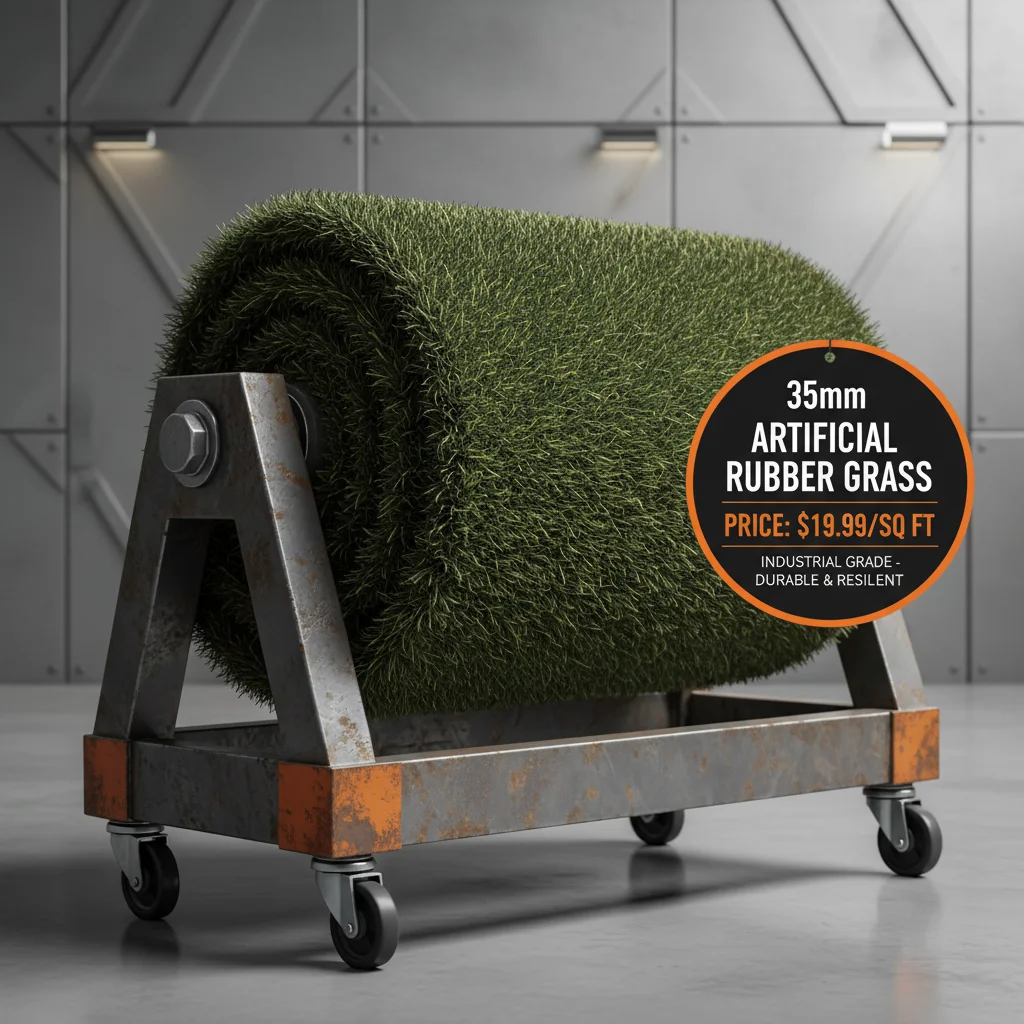
- Rubber Crumb: Made from recycled tires, rubber crumb is a durable and shock-absorbent option. It's ideal for sports fields and playgrounds, as it provides excellent cushioning.
- Coco Husk: A sustainable alternative, coconut husk is biodegradable and provides excellent drainage. It's a great choice for eco-conscious consumers.
Why Use Synthetic Turf Infill?
Now that we know what synthetic turf infill is, let's explore the reasons why it's a valuable addition to your artificial grass project.
Enhanced Durability
One of the primary benefits of using infill is increased durability. The infill material fills the gaps between the grass blades, preventing them from bending and fraying. This means your synthetic grass will maintain its lush appearance for years to come.
Improved Stability
Artificial grass with infill is more stable than grass without it. The infill material provides a solid foundation for the grass, reducing the risk of shifting and pooling water.
Enhanced Appearance
Infill also contributes to the overall appearance of your synthetic grass. It fills in any gaps between the blades, creating a more uniform and natural look.
Reduced Maintenance
With infill, your synthetic grass requires less maintenance. The infill material helps to keep the grass blades upright, reducing the need for frequent grooming.
Choosing the Right Synthetic Turf Infill
Selecting the right synthetic turf infill is crucial for the success of your project. Here are some factors to consider when making your decision:
Application
Consider the intended use of your synthetic grass. For sports fields and playgrounds, rubber crumb is a popular choice due to its shock-absorbent properties. For residential landscaping, sand or coconut husk may be more suitable.
Climate
The climate in your area can also influence your choice of infill. In hot climates, rubber crumb may be a better option, as it provides better cushioning and heat resistance. In colder climates, sand or coconut husk may be more appropriate.
Cost
Cost is always a factor when selecting any product. While rubber crumb is more expensive than sand or coconut husk, it may be worth the investment for its durability and performance benefits.
Product Specifications and Technical Table
| Infill Material | Application | Advantages | Disadvantages |
|---|---|---|---|
| Sand | Residential, commercial | Cost-effective, easy to maintain | Can lead to compaction, less shock absorbent |
| Rubber Crumb | Sports fields, playgrounds | Durable, shock absorbent, heat resistant | More expensive, requires regular maintenance |
| Coco Husk | Residential, commercial | Sustainable, biodegradable, excellent drainage | May require more frequent grooming |

Conclusion
Understanding synthetic turf infill is essential for achieving a successful artificial grass project. By considering the type of infill, application, climate, and cost, you can make an informed decision that will enhance the durability, stability, and appearance of your synthetic grass. Whether you're a homeowner or a commercial landscaper, investing in the right infill will ensure your project stands the test of time.
Call to Action
Ready to transform your outdoor space with synthetic turf? Contact XY Grass today to learn more about our products and services. Our team of experts is here to help you find the perfect solution for your needs.