mulch what is a turf what is a turf grass
What is Mulch?
Introduction to Mulch
Mulch is more than just a pile of organic material spread over the soil surface. It's a key component in maintaining healthy gardens and landscapes. But what exactly is mulch, and how does it benefit your plants and soil?
Understanding Mulch
Mulch is a layer of material placed over the soil surface. It serves several purposes, including:
Water Conservation: Mulch helps retain soil moisture, reducing the need for frequent watering.
Temperature Regulation: It keeps the soil cool in the summer and warm in the winter.
Weed Suppression: By blocking sunlight, mulch inhibits the growth of weeds.
Soil Erosion Prevention: It prevents the soil from being washed away by rainwater.
Types of Mulch
There are many types of mulch available, each with its own unique benefits:
Organic Mulch: Made from natural materials like wood chips, straw, and leaves. It decomposes over time, adding nutrients to the soil.
Inorganic Mulch: Made from non-biodegradable materials like black plastic, gravel, and stone. It does not add nutrients to the soil but is effective at suppressing weeds and retaining moisture.
Bark Mulch: A popular choice due to its aesthetic appeal and ability to break down into the soil.
Compost Mulch: Made from decomposed organic matter, providing both mulching and fertilizer benefits.
Choosing the Right Mulch for Your Garden
Selecting the right mulch depends on several factors:
Purpose: Determine what you want to achieve with mulch (e.g., water conservation, weed suppression).
Soil Type: Different mulches work better with different soil types.
Climate: Consider the climate in your area when choosing a mulch.
How to Apply Mulch
Applying mulch correctly is crucial for its effectiveness:
1. **Choose the Right Mulch**: As mentioned earlier, consider the purpose, soil type, and climate when selecting mulch.

2. **Thickness**: Apply a layer of mulch about 2-3 inches thick.
3. **Distance from the Plant**: Keep the mulch away from the stems and trunks of plants to prevent rot and disease.
4. **Reapply**: Mulch breaks down over time, so it's important to reapply it as needed.
Mulch Benefits for Your Garden
Mulch offers numerous benefits for your garden:
Improves Soil Quality: Organic mulch decomposes and adds nutrients to the soil.
Reduces Water Usage: Mulch helps retain soil moisture, reducing the need for frequent watering.
Prevents Weeds: Mulch blocks sunlight, making it difficult for weeds to grow.
Extends Plant Lifespan: By reducing stress from extreme temperatures and drought, mulch helps plants thrive.
Real-World Examples
Here are some real-world examples of how mulch has benefited gardens and landscapes:
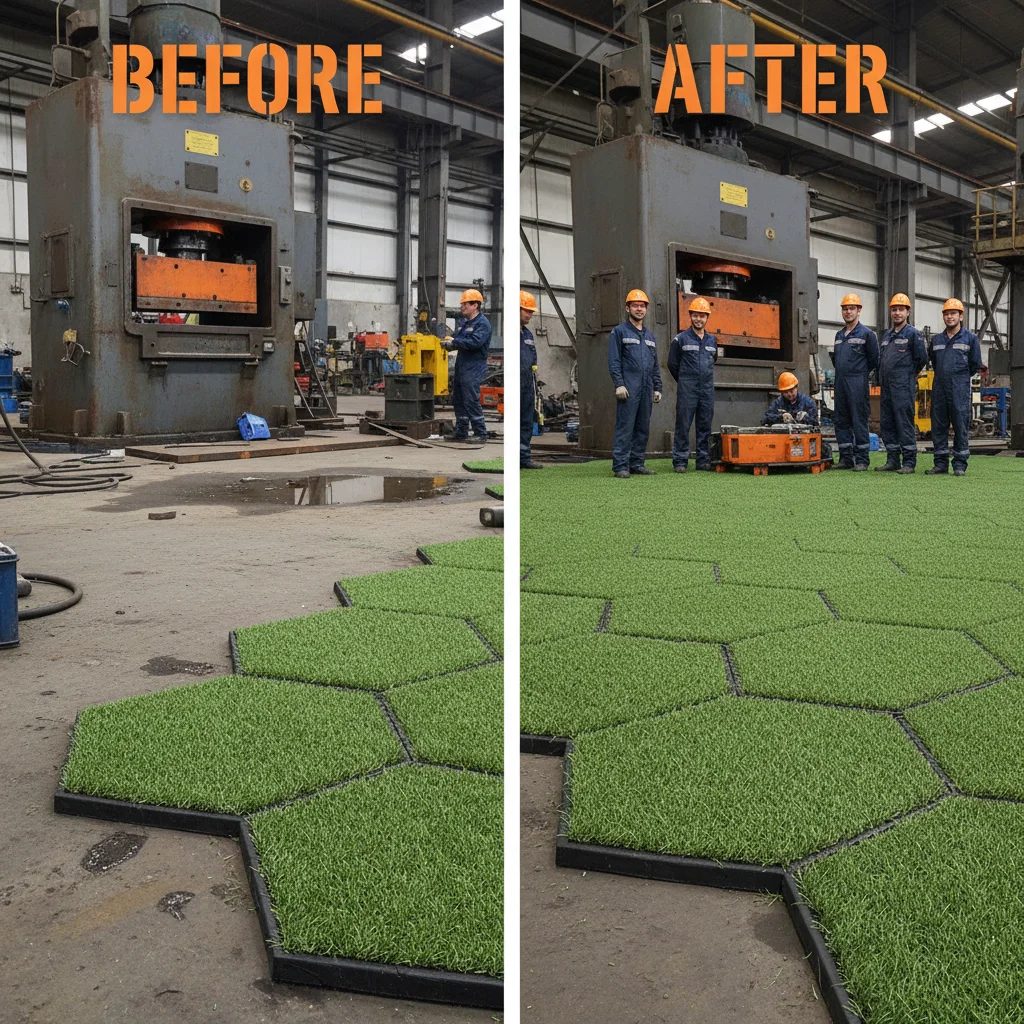
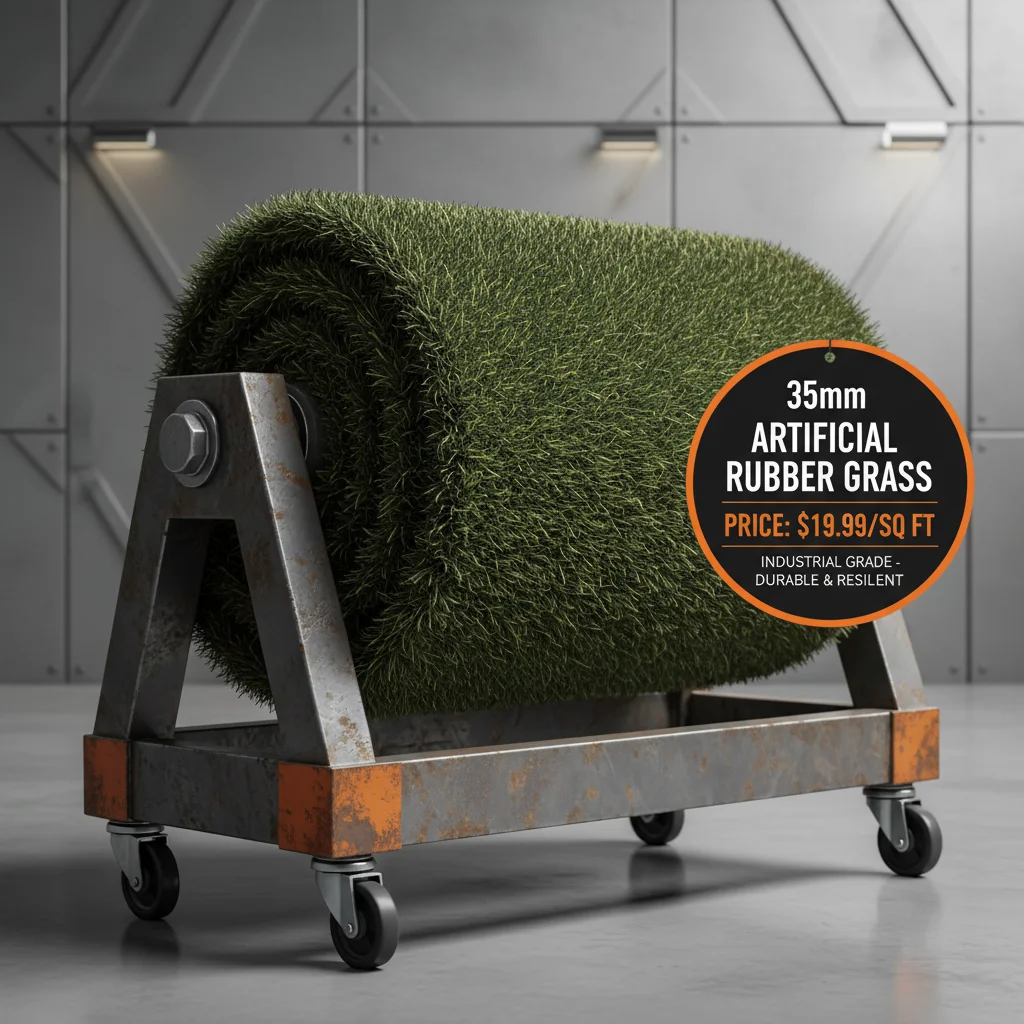
XIONGYI RUBBER & PLASTIC PRODUCTS CO., LTD. (XY Grass): This Chinese manufacturer and exporter of artificial grass has used mulch to create stunning green walls and landscaping projects.
Local Community Gardens: Many community gardens have used mulch to improve soil quality and reduce weed growth.
Conclusion
Mulch is a valuable tool for maintaining healthy gardens and landscapes. By understanding its benefits and how to apply it correctly, you can create a thriving and beautiful garden.
For more information on mulch and other landscaping products, visit XIONGYI RUBBER & PLASTIC PRODUCTS CO., LTD. (XY Grass) at https://www.xy-grass.com/contactus/.