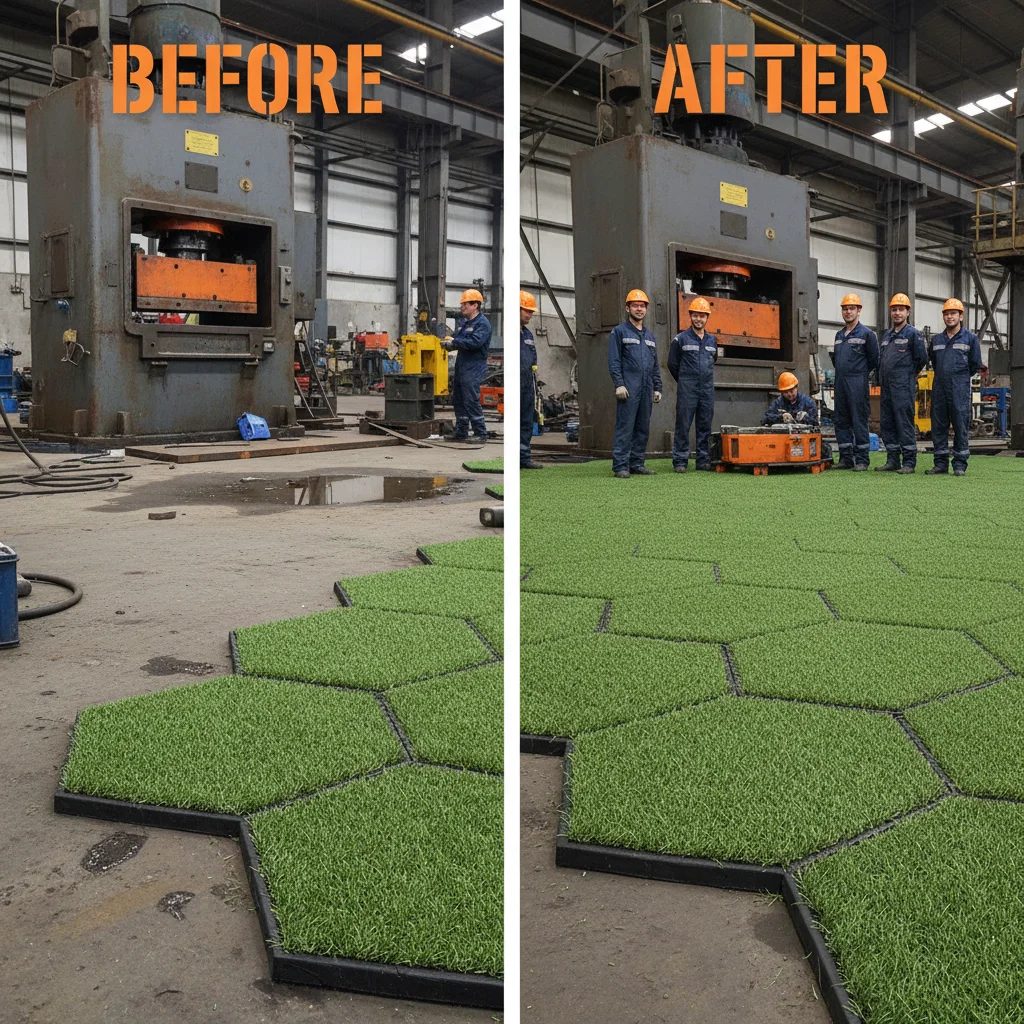


When Do I Overseed My Lawn: The Ultimate Guide
Hey there, fellow green thumb! As someone who's spent countless hours nurturing our beautiful outdoor space, I know how important it is to keep our lawns looking picture-perfect. One question that often crops up is: when do I overseed my lawn? In this article, I'll dive deep into the ins and outs of overseeding, giving you all the info you need to ensure your lawn stays lush, green, and envy-inducing.
Understanding Overseeding
First things first, let's talk about what overseeding actually means. Overseeding is the process of spreading additional seeds over an existing lawn. It's like adding a fresh layer of fertilizer to your soil, but for seeds! This technique is incredibly beneficial, especially for those with patchy or thinning lawns.
Benefits of Overseeding
- Enhanced thickening and density
- Better grass coverage and less room for weeds to grow
- Increased resilience and disease resistance
- Longer-lasting lawn health and beauty
The Ideal Time for Overseeding
Now that we know the perks of overseeding, let's figure out the best time to do it. Timing is everything, my friends, and the right moment can make all the difference!
Seasonal Considerations
-
Early Fall
Many experts agree that the early fall is the prime time for overseeding. Why, you ask? Well, during this period, the soil is still warm, which encourages seed germination. Plus, the cooler temperatures make it easier for the grass to establish strong roots before winter.
-
Early Spring
Another excellent time for overseeding is the early spring. As the temperatures begin to rise and the soil warms up, seeds have a better chance of germinating. This ensures that your lawn is looking its best for the summer months ahead.
Regional Factors
It's essential to consider your region when determining the best time for overseeding. For instance, if you live in a cooler climate, early spring might be more suitable. Conversely, those in warmer climates might want to go with the early fall. Additionally, take note of any local climate patterns and weather events that may impact your lawn's recovery and growth.
Preparation is Key
Now that we've discussed the ideal timing for overseeding, it's crucial to prepare your lawn accordingly. Here's a quick checklist to help you get started:
- Mow your lawn to a shorter length (about 3 inches)
- Remove any weeds, debris, or thatch using a rake
- Perform a soil test to determine nutrient levels and pH balance
- Apply any necessary amendments or fertilizers to ensure proper growth
Choosing the Right Seed
Selecting the right seed variety is equally important. Consider the following factors:
-
Climate适应性
Choose a seed variety that's well-suited to your local climate and soil conditions.
-
Usage
Are you looking to create a sports field, a pet-friendly yard, or simply an aesthetic landscape? Select a seed variety that caters to your specific needs.
Step-by-Step Overseeding Process
Follow these simple steps to ensure a successful overseeding experience:
-
Step 1: Prepare Your Lawn
Follow the preparation checklist mentioned earlier.
-
Step 2: Choose Your Seed
Select a high-quality seed variety that matches your lawn's needs.
-
Step 3: Apply the Seed
Use a broadcast spreader to evenly distribute the seeds over your lawn. Follow the seed package's recommended rates.
-
Step 4: Rake the Seed into the Soil
Using a rake, gently mix the seeds into the soil to improve germination and root establishment.
-
Step 5: Water Your Lawn
Water your lawn immediately after overseeding. Continue to water it regularly, ensuring that the soil remains consistently moist but not waterlogged.
-
Step 6: Maintain Your Lawn
Mow your lawn at the recommended height, avoid foot traffic on the seeded areas, and keep an eye out for weeds. Once the grass has established, resume your regular lawn care routine.
Common Myths About Overseeding
Let's clear the air about a few common myths surrounding overseeding:
-
Myth: Overseeding will damage my lawn
False! When done correctly, overseeding can actually improve your lawn's health and appearance.
-
Myth: Overseeding will lead to brown patches
False! Overseeding won't cause brown patches if you follow the proper technique and timing.
-
Myth: Overseeding is a one-time fix
False! While overseeding can be a significant boost for your lawn, it may need to be repeated every few years, depending on the condition of your lawn.

Choosing the Right Overseeding Products
At XY Grass, we offer a wide range of high-quality overseeding products that cater to all your lawn care needs. Here are some of our top picks:
| Product Name | Product Specifications | Technical Table | ||||||||
|---|---|---|---|---|---|---|---|---|---|---|
| XY Grass Premium Overseeding Blend |
|
when to overseed a lawn when do you overseed your lawn when to overseed the lawn |
With XY Grass Premium Overseeding Blend, you can be confident that your lawn will receive the very best care possible.
Final Thoughts
Overseeding your lawn is a fantastic way to ensure a lush, green, and beautiful outdoor space. By understanding the best time for overseeding, preparing your lawn, and selecting the right products, you can enjoy a thriving lawn for years to come. So, don't wait any longer—get started on your overseeding journey today!
Conclusion
At XY Grass, we're dedicated to helping you achieve the perfect lawn. If you have any questions about our overseeding products or need assistance with your lawn care, don't hesitate to reach out to our team. We're here to help! Give us a call at 0086-13931845866, send us an email at sales@xiongyigrass.com, or visit our contact page at https://www.xy-grass.com/contactus/ for more information.