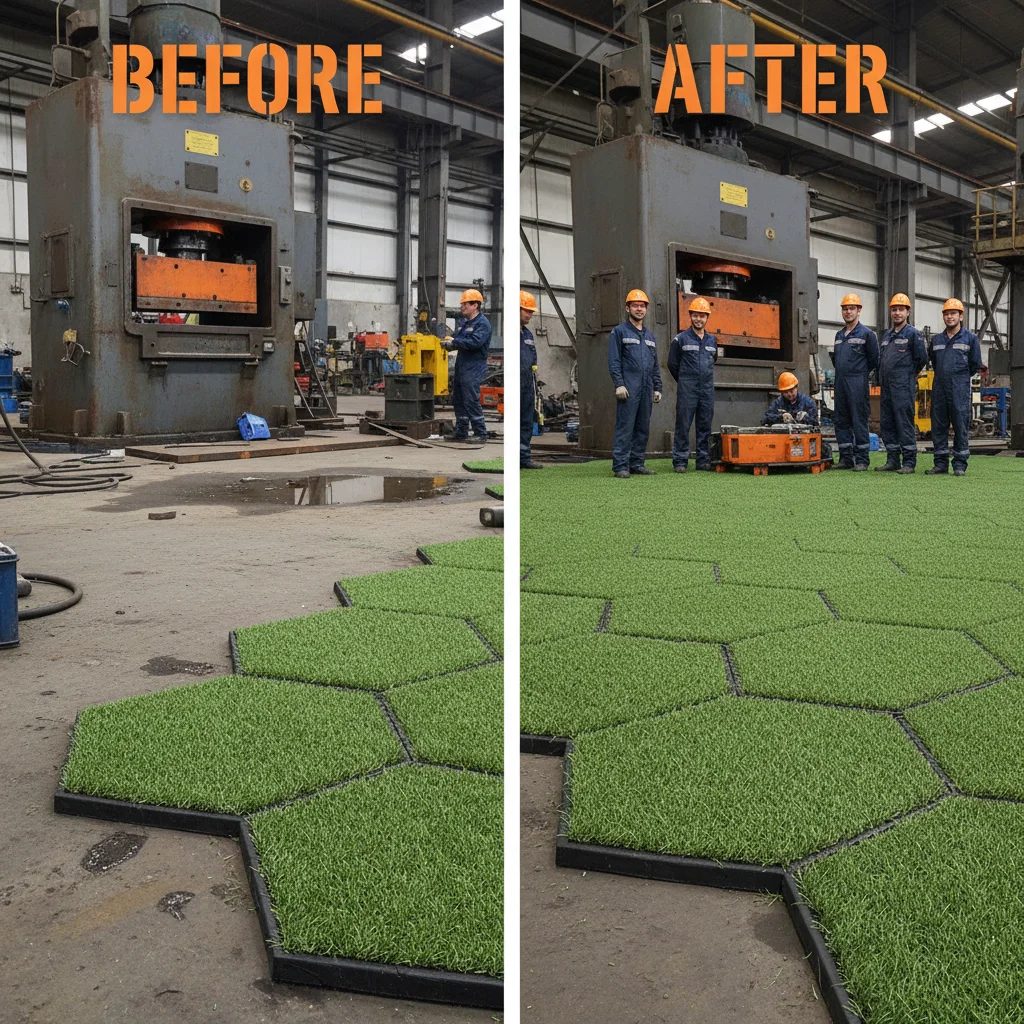


what does overseeding a lawn mean what does overseeding do does overseeding work
What Does Overseeding Mean?**H1: Understanding Overseeding: A Comprehensive Guide**
**H2: What is Overseeding?**
Overseeding is a technique used in lawn care to improve the health and appearance of existing grass. It involves sowing new grass seed over an existing lawn, allowing it to germinate and grow alongside the existing grass. This process can rejuvenate tired lawns, increase their density, and help them resist weeds and pests.
**H2: Why Overseed Your Lawn?**
There are several reasons why you might consider overseeding your lawn:
* **Rejuvenate Tired Lawns**: Over time, lawns can become thin and patchy due to wear and tear, disease, or pests. Overseeding can help fill in these areas and restore the lawn's vigor.
* **Increase Density**: A thick, dense lawn is more resilient to weeds and pests. Overseeding can help increase the density of your lawn, making it more attractive and healthier.
* **Resist Weeds and Pests**: Dense, healthy lawns are less susceptible to weeds and pests. Overseeding can help create a more robust lawn that is better equipped to fight off these problems.
* **Enhance Appearance**: A lush, green lawn is not only functional but also visually appealing. Overseeding can help you achieve the perfect lawn you've always wanted.
**H2: When to Overseed Your Lawn**
The best time to overseed your lawn is in the late summer or early fall. This allows the new grass seed to establish itself before the winter. However, you can also overseed in the spring, but it may take longer for the new grass to become established.
**H2: How to Overseed Your Lawn**
Here's a step-by-step guide to overseeding your lawn:
1. **Choose the Right Seed**: Select a high-quality grass seed that is well-suited to your climate and soil conditions. For example, Kentucky bluegrass is a popular choice in cooler climates, while Bermuda grass is better suited to warmer climates.
2. **Prepare the Soil**: Rake the existing lawn to remove any debris and thatch. This will help the new seed to germinate more effectively.
3. **Apply Seed**: Spread the seed evenly over the lawn using a broadcast spreader. Be sure to follow the manufacturer's instructions for the correct amount of seed to use.
4. **Water Thoroughly**: Water the lawn thoroughly after applying the seed. This will help the seed to germinate and establish itself.
5. **Maintain the Lawn**: Keep the lawn moist but not waterlogged. Avoid mowing the lawn until the new grass has grown to a sufficient height.
**H2: Benefits of Overseeding**
Overseeding offers several benefits, including:
* **Improved Appearance**: A lush, green lawn is more visually appealing.
* **Increased Resilience**: A thick, dense lawn is more resistant to weeds, pests, and wear and tear.
* **Longer Lifespan**: Overseeding can help extend the lifespan of your lawn.
* **Cost-Effective**: Overseeding is a more cost-effective alternative to replacing your entire lawn.
**H2: Tips for Successful Overseeding**
Here are some tips for successful overseeding:
* **Choose the Right Seed**: Select a high-quality grass seed that is well-suited to your climate and soil conditions.
* **Prepare the Soil**: Rake the existing lawn to remove any debris and thatch.

* **Apply Seed Evenly**: Use a broadcast spreader to apply the seed evenly over the lawn.
* **Water Thoroughly**: Water the lawn thoroughly after applying the seed.
* **Maintain the Lawn**: Keep the lawn moist but not waterlogged and avoid mowing until the new grass has grown to a sufficient height.
**H2: Choosing the Right Seed**
When choosing a grass seed for overseeding, consider the following factors:
* **Climate**: Select a grass seed that is well-suited to your climate. For example, Kentucky bluegrass is a popular choice in cooler climates, while Bermuda grass is better suited to warmer climates.
* **Soil Conditions**: Choose a grass seed that is compatible with your soil type. For example, certain grasses thrive in clay soils, while others prefer sandy soils.
* **Lawn Use**: Consider how you will use your lawn. For example, if you have a high-traffic area, you may want to choose a more durable grass seed.
**H2: Choosing the Right Seed: Product Specifications**
| Feature | Description |
| --- | --- |
| Grass Type | Kentucky Bluegrass |
| Seed Rate | 10 lbs/1,000 sq ft |
| Germination Rate | 70% |
| Planting Time | Late summer to early fall |
| Growth Rate | Medium |
**H2: Choosing the Right Seed: Technical Table**
| Feature | Value |
| --- | --- |
| Seed Type | Kentucky Bluegrass |
| Seed Rate | 10 lbs/1,000 sq ft |
| Germination Rate | 70% |
| Planting Time | Late summer to early fall |
| Growth Rate | Medium |
**H2: Conclusion**
Overseeding is a valuable technique for improving the health and appearance of your lawn. By following the steps outlined in this guide, you can achieve a lush, green lawn that is more resilient to weeds, pests, and wear and tear. For more information on overseeding and other lawn care tips, visit XY Grass at xy-grass.com.
**H2: Call to Action**
If you're ready to transform your lawn with overseeding, contact XY Grass today at sales@xiongyigrass.com or call us at 0086-13931845866. Our team of experts is here to help you choose the right seed and provide you with all the information you need to achieve a beautiful, healthy lawn.