

What is Infill for Artificial Grass: Enhancing Performance and Aesthetics
what is infill for artificial turf what is artificial grass infill what is artificial grass
Artificial grass has become increasingly popular in recent years, thanks to its low maintenance, durability, and realistic appearance. One crucial component that plays a significant role in the performance and aesthetics of artificial grass is infill. In this article, we will explore what infill is for artificial grass, its types, benefits, and how it contributes to the overall quality of the turf.
Understanding Infill for Artificial Grass
Infill is a term used to describe the material that is added to the pile of artificial grass. It serves multiple purposes, including improving the stability, cushioning, and appearance of the grass. Think of infill as the "filling" that provides structure and support to the grass fibers.
Types of Infill for Artificial Grass
There are several types of infill materials used in artificial grass, each with its unique properties and benefits. The most common types include:
- Silica Sand: Silica sand is the most widely used infill material for artificial grass. It is a fine white sand that provides stability, cushioning, and a natural look to the grass.
- Zeolite: Zeolite is a natural mineral that absorbs and releases moisture, making it an excellent choice for areas prone to heavy rainfall.
- Coconut Coir: Coconut coir is a sustainable alternative to silica sand, providing excellent drainage and cushioning properties.
- CR4: CR4 is a high-performance infill material that offers excellent drainage, stability, and cushioning, making it ideal for sports fields and playgrounds.
Benefits of Using Infill for Artificial Grass
Using the right infill material for artificial grass offers several benefits:
- Improved Stability: Infill helps the grass fibers stay in place, reducing the risk of tufting and curling.
- Enhanced Durability: The infill material provides additional support to the grass fibers, increasing the overall lifespan of the turf.
- Improved Appearance: Infill adds weight to the grass, giving it a more natural and realistic look.
- Reduced Odor: Some infill materials, such as CR4, help reduce the odor caused by bacteria and mold.
Choosing the Right Infill Material for Your Artificial Grass
Selecting the appropriate infill material for your artificial grass depends on several factors, including the intended use of the turf, environmental conditions, and your personal preferences. Here are some tips for choosing the right infill material:
Consider the Intended Use
The purpose of your artificial grass will help determine the best infill material for your needs. For example:
- Lawn: Silica sand or coconut coir are excellent choices for landscaping applications.
- Sports Field: CR4 or a combination of CR4 and silica sand is ideal for sports fields and playgrounds.
- Residential Application: Zeolite is a great option for residential applications, as it provides excellent drainage and odor control.

Environmental Conditions
Consider the climate and weather conditions in your area when choosing an infill material. For example:
- Heavy Rainfall: Choose an infill material with excellent drainage properties, such as zeolite or CR4.
- High UV Exposure: Select an infill material that is UV-resistant, such as silica sand or CR4.
Personal Preferences
Ultimately, the choice of infill material comes down to personal preferences. Consider the appearance, texture, and cost of the available options before making a decision.
Case Study: The Impact of Infill on Artificial Grass Performance
Let's take a look at a real-world example to understand the impact of infill on artificial grass performance:
Scenario: A sports field was installed with high-quality artificial grass, but the field's performance was subpar. The field experienced frequent tufting, curling, and poor drainage.
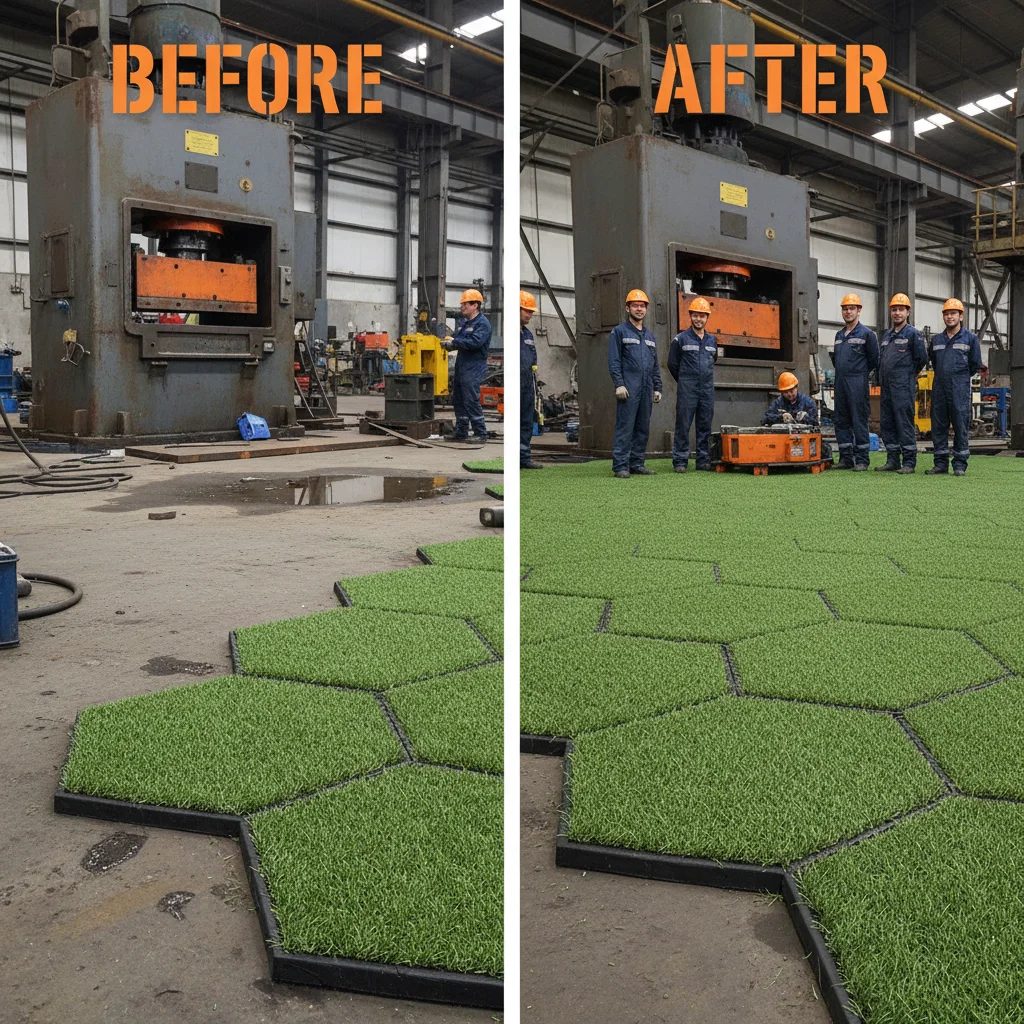
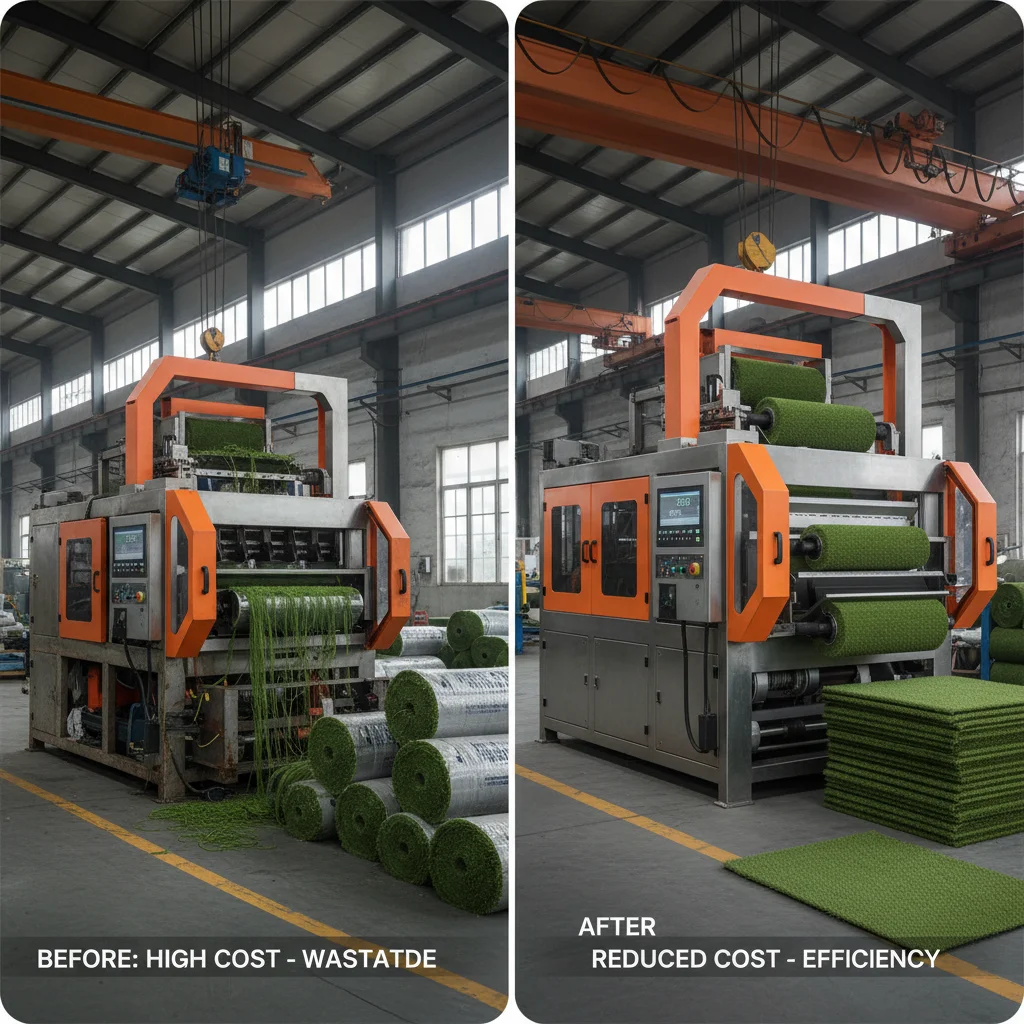
Solution: After consulting with a turf expert, the field was re-infilled with CR4, a high-performance infill material. The result was a significant improvement in the field's performance. The grass became more stable, durable, and had better drainage, leading to a longer lifespan and better overall experience for the athletes.
Conclusion
Infill plays a crucial role in the performance and aesthetics of artificial grass. By choosing the right infill material and properly maintaining your turf, you can ensure a long-lasting, beautiful, and functional artificial grass surface.
For more information on infill for artificial grass, contact XY Grass at https://www.xy-grass.com/contactus/ or call us at 0086-13931845866. Our team of experts is here to help you select the perfect infill material for your needs.